Why DeFi Safety Is a Transaction Problem, Not Just a Wallet Problem

A wallet can hold assets without ever understanding what those assets are about to do. That is the counterintuitive weakness behind many DeFi losses: the visible action may look like a simple swap, while the underlying transaction grants permissions, calls several contracts, and changes the user’s exposure across multiple systems. The important distinction is not merely whether a wallet is connected to the right blockchain. It is whether the user can form an accurate mental model of the transaction before signing it.

For users in the United States moving between Ethereum and other EVM-compatible networks, a multi-chain wallet is therefore more than a convenience tool. It is an interpretation layer between human intent and machine-executed code. Transaction simulation, contract warnings, chain awareness, and clear asset presentation can reduce avoidable mistakes. They cannot eliminate smart-contract risk, but they can make a crucial category of risk more visible before an irreversible action occurs.

Wallet interface illustrating how a DeFi transaction can be reviewed across EVM chains before signing

Myth: connecting a wallet is the main security event

Reality: signing a transaction is usually the decisive event. Connecting a wallet to a decentralized application, or dapp, generally allows the site to request information such as public addresses and network status. A later signature may authorize a token transfer, approve a contract to spend tokens, or execute a sequence of calls bundled into one transaction. The distinction matters because users often treat a connection prompt and a transaction prompt as if they carried the same consequences.

Smart contracts are programs deployed on a blockchain. DeFi protocols use them to automate exchanges, lending, derivatives, liquidity provision, and other financial operations. Once a transaction is confirmed, the relevant code executes according to the network’s rules. There is no customer-service reversal comparable to canceling a card payment, and the fact that a transaction succeeded does not prove that it was beneficial or safe.

Token approvals illustrate the problem. In many ERC-20 interactions, a user first permits a contract to spend a specified token and then invokes the protocol. An unlimited approval may reduce future prompts, but it can also increase the amount exposed if the approved contract is later compromised, misconfigured, or used through a malicious interface. A wallet that displays the approval target and allowance amount is giving the user information that a generic “confirm” button conceals.

What transaction simulation can and cannot tell you

Transaction simulation attempts to execute a proposed call in an environment that estimates the resulting state changes without broadcasting the transaction to the live chain. Depending on the implementation and available data, a simulation may reveal which tokens will leave the wallet, which assets are expected in return, whether an approval changes, and whether the call appears likely to revert. This turns an opaque request into a more inspectable preview of intent.

The most useful conceptual shift is to treat simulation as a pre-flight check, not a guarantee. A simulation can catch a mismatch between what a dapp claims will happen and what the contract call appears to do. It may also expose suspicious transfers or an unexpected contract address. Yet the result depends on assumptions about current blockchain state, pricing, liquidity, block timing, and the exact call data. A transaction can simulate successfully and still suffer from slippage, oracle changes, MEV-related execution effects, or a later state change before confirmation.

Simulation also cannot prove that a protocol’s economic design is sound. It may show that a lending transaction deposits collateral and borrows an asset, but not whether the collateral valuation mechanism will remain reliable during market stress. It cannot establish that an audited contract has no undiscovered vulnerability, or that a governance-controlled upgrade will not alter future behavior. In technical terms, simulation is strongest at revealing immediate state transitions and weaker at judging the broader system that produced them.

Myth: every EVM chain behaves the same way

Reality: compatibility reduces friction, not complexity. EVM chains share important execution conventions, which allows many applications and wallets to operate across them. However, each network has its own chain identifier, native asset, fee market, bridge assumptions, validators or sequencers, liquidity conditions, and application ecosystem. A transaction intended for one chain is not automatically meaningful on another.

This is where multi-chain wallet design becomes a security issue rather than a cosmetic feature. The user needs to know not only which address is active, but also which network will receive the transaction, which asset will pay the fee, and whether the displayed token balance belongs to the selected chain. A familiar token symbol can be misleading: assets with similar names may exist on different networks, and a bridged representation may carry different risks from an asset native to the destination system.

Bridges add another layer. Moving value across chains usually involves custody, messaging, locking and minting, liquidity providers, or some combination of these mechanisms. The bridge may be secure under ordinary conditions yet exposed to a failure in its validator set, message verification, smart contracts, or operational controls. A wallet can help prevent a user from signing for the wrong network, but it cannot make an inherently risky bridge economically or technically risk-free.

A practical framework for reviewing a DeFi transaction

Before signing, separate the transaction into four questions. First, what is the intended outcome? “Swap one token for another” is incomplete unless the user also considers the minimum received amount, fee, route, and chain. Second, what permissions are being granted? Look for token approvals, operator permissions, permits, or calls that allow another address to act later.

Third, which contracts are actually involved? The application’s brand and interface are not the same as the addresses receiving the call. A reliable review should identify the target contract, the function or action being requested, and any recipient address. Fourth, what changes if the transaction fails or the market moves? Gas may still be spent on a reverted transaction, while a successful transaction can produce an unfavorable price if protection parameters are weak.

This framework is especially useful when using a wallet such as rabby wallet to navigate several EVM networks and review transaction details before confirmation. The value is not that a wallet replaces judgment. The value is that a better interface can place relevant technical information at the point where judgment is required.

Users should also distinguish between a wallet’s security signals and a security verdict. Warnings may be based on contract reputation, address analysis, simulation results, or known patterns. A clean display does not certify a protocol, and a warning does not always mean an exploit is occurring. Treat these signals as evidence to investigate, not as an automatic substitute for understanding the action.

The trade-off between convenience and control

DeFi interfaces are designed to reduce friction. Persistent approvals, one-click routing, automatic network switching, and bundled transactions can make sophisticated strategies usable. The same features compress multiple decisions into a single confirmation. Convenience becomes risky when it hides the scope of authority or makes a broad permission appear equivalent to a one-time action.

More control has costs. Requiring limited approvals can create additional transactions and fees. Reviewing every call takes time, particularly when a protocol uses aggregators or multicall contracts. Keeping separate wallets for long-term holdings, experimentation, and routine activity can reduce concentration risk, but it introduces operational burdens such as backup management and address confusion. There is no universally optimal setup; the appropriate level of friction depends on the value at risk and the complexity of the strategy.

A sensible US user might therefore use a lower-value testing wallet for unfamiliar protocols, keep substantial holdings away from routine dapp permissions, and treat a newly added network or bridge as a separate risk decision. These practices do not depend on predicting markets. They are forms of exposure management: limiting what one mistaken signature, compromised site, or misunderstood chain selection can affect.

What to watch as multi-chain DeFi develops

Recent positioning around wallets for Ethereum and EVM chains emphasizes broad chain coverage, speed, and security-oriented transaction review. The important question is how those claims function in practice. As users interact with more chains, the quality of chain identification, simulation coverage, approval management, and asset labeling may matter more than the number of networks displayed in a menu.

If application calls become increasingly composable, simulations will need to explain not just the final balance difference but also the intermediate permissions and counterparties involved. That is a conditional direction, not a guaranteed outcome. It depends on access to reliable state data, consistent protocol metadata, and interfaces that can explain complex calls without overwhelming non-specialists. The unresolved challenge is balancing completeness with comprehension: showing every technical detail can be as unhelpful as hiding it.

Frequently asked questions

Does transaction simulation guarantee that a DeFi transaction is safe?

No. Simulation can reveal expected state changes, likely failures, and suspicious transfers, but it relies on assumptions about current state and execution conditions. It does not prove that a protocol is economically sound, free of vulnerabilities, or protected from later market and network changes.

Why is a multi-chain wallet useful if the same address works across EVM networks?

The address may be identical, but the network, balances, fee asset, liquidity, contracts, and bridge context can differ. A multi-chain wallet helps organize those distinctions and can reduce errors caused by signing a transaction on the wrong chain or interacting with a misleading asset representation.

Should token approvals always be limited?

Limited approvals generally reduce the amount exposed to a compromised or misused spender, but they may require additional transactions and fees. The practical choice depends on the protocol, the value involved, and whether the approval is needed temporarily or repeatedly. The key is to understand the permission rather than accept it automatically.

The sharper mental model is simple: a wallet is not merely a key container, and a DeFi transaction is not merely a button press. It is a proposed change to ownership, permissions, and economic exposure. Simulation and security features can make that proposal easier to inspect, while multi-chain awareness can prevent context errors. The final responsibility remains with the signer, but better information at the signing moment materially improves the quality of that decision.

Uniswap, UNI, and Uniswap v3: Choosing the Right DeFi Trade-Off

Uniswap’s most important feature is not that it lists many tokens. It is that a trade can occur without a conventional exchange matching buyers and sellers. That sounds like a simple substitution, but it changes where the risks live. Instead of relying on an order book and a centralized intermediary, the trader interacts with smart contracts, liquidity pools, routing logic, and blockchain settlement.

This creates a counterintuitive result: a swap can be permissionless and transparent while still producing a worse price than expected. The difference is usually explained by liquidity depth, price impact, slippage, network costs, and the route selected by the transaction. For US-based DeFi users, the practical question is therefore not merely whether Uniswap is decentralized. It is whether a particular pool, chain, trade size, and execution setting fit the transaction.

From constant product pools to concentrated liquidity

Uniswap began with the automated market maker, or AMM, model. Rather than displaying a traditional order book, a pool holds two assets and prices them according to a mathematical relationship commonly represented as x × y = k. Here, x and y are the token reserves, while k is the pool’s invariant. When a trader removes one asset, the pool’s balance changes and the implied price of the other asset moves.

The mechanism is elegant because it does not require a market maker to quote every order. It is also mechanically limited. A large order relative to the pool can move the reserves substantially, creating price impact. Slippage describes the difference between the expected and executed price, which can also arise while a transaction waits for inclusion or while other trades alter the pool. A quoted exchange rate is therefore an estimate bounded by changing on-chain conditions, not a guaranteed promise.

Uniswap v3 changed the role of liquidity providers by introducing concentrated liquidity. In earlier pool designs, deposited capital was available across a broad price curve. In v3, an LP can choose a price range in which capital is active. This can make liquidity more efficient around a frequently traded price: the same deposited value may support more trading within that range than broadly distributed liquidity would.

Efficiency, however, is not free. If the market price leaves the selected range, that position stops earning fees from trades occurring outside it until the price returns or the LP adjusts the range. Active management can improve capital use, but it also introduces timing, monitoring, and rebalancing demands. The familiar impermanent-loss problem remains: when the two deposited assets diverge in price, the LP may end up with less value than if the assets had simply been held separately. Fees may offset that difference, but they do not erase the risk automatically.

Uniswap v3 versus v4: flexibility versus complexity

For traders, v3 is best understood as a highly structured liquidity system with selectable price ranges. It can be attractive where liquidity is deep and the relevant pair trades within well-supported ranges. For LPs, the design offers control but resembles a market-making strategy more than passive deposit-and-forget investing.

Uniswap v4 extends the design through “Hooks,” which allow developers to attach custom logic to pools. Hooks can support dynamic fees, time-weighted average pricing, and other customized AMM behavior. This creates a broader design space than v3: a pool can potentially respond to market conditions or enforce specialized rules rather than relying only on a fixed configuration.

That flexibility is also v4’s central boundary condition. More programmable logic means more possible interactions and more opportunities for unexpected behavior. The protocol’s security work is significant: the v4 launch included a $2.35 million security competition, nine formal audits by six security firms, and a bug bounty offering up to $15.5 million for critical vulnerabilities. These measures reduce some risks, but audits and bug bounties cannot prove that every hook, integration, or economic incentive will behave safely in every market condition.

A useful comparison is therefore not “old version versus new version.” It is predictable structure versus programmable specialization. V3 may be easier to reason about for a user seeking a familiar pool model. V4 may be more adaptable for developers and sophisticated liquidity strategies, but its added flexibility makes it especially important to understand the specific pool implementation rather than assuming that every pool behaves identically.

What the UNI token does—and what it does not do

UNI is primarily connected to governance. UNI holders can participate in proposals and votes concerning protocol upgrades, fee structures, and ecosystem development. That gives the token institutional significance within the protocol’s decision-making process, but governance influence should not be confused with a guaranteed claim on trading fees or with ownership of every component that routes a swap.

This distinction matters to traders who buy UNI because they use the exchange. Using the protocol and holding its governance token are separate decisions. A person can swap assets without owning UNI, while a UNI holder still faces the usual crypto risks: market volatility, liquidity changes, governance uncertainty, and the possibility that a proposal’s effects differ from expectations. The token’s value proposition depends partly on how governance authority is exercised and how the surrounding ecosystem develops; those are conditional outcomes, not automatic consequences of protocol usage.

For more information, visit uniswap.

Execution itself is handled through smart-contract infrastructure such as the Universal Router. It can process exact-input and exact-output commands, route complex swaps, and calculate a minimum acceptable output. For a trader, the important habit is to treat the minimum-output setting as a risk control. Setting it too loosely may permit an unexpectedly poor fill; setting it too tightly may cause the transaction to revert. Neither setting removes market risk, and neither protects a user from approving a malicious token contract or interacting with a fraudulent interface.

Uniswap’s expanding network coverage also changes the decision. Ethereum mainnet may offer strong liquidity for some pairs but can be expensive during periods of congestion. Layer 2 networks such as Arbitrum, Base, Optimism, and Polygon can change the fee and latency calculation, while liquidity and token availability may differ across chains. Recent project messaging has emphasized trading on Ethereum, Base, Arbitrum, Polygon, Unichain, and other networks. The practical implication is not that one chain is universally superior; it is that a trader should confirm the network, token contract, bridge assumptions, and available liquidity before signing.

Native ETH support in v4 can reduce the need to wrap ETH into WETH for certain routes and may improve the transaction path. Yet lower wrapping friction does not mean every swap is cheap. Gas, router calls, token approvals, price impact, and any cross-chain operation can still contribute to total cost. Cross-chain swapping is particularly easy to misunderstand: moving between networks involves additional infrastructure and assumptions beyond the local AMM pool.

A decision framework for swapping or providing liquidity

Before swapping, estimate the trade as a percentage of the relevant pool’s active liquidity, not merely as a percentage of its total token balance. In v3, capital outside the current price range may not help absorb the order. Compare the quoted output across routes, inspect the minimum received amount, verify the chain and token addresses, and consider whether splitting an order or using a different venue would reduce market impact. A lower displayed fee can be misleading if the route produces a materially worse execution price.

Before becoming an LP, ask a different question: what market-making exposure is being accepted? Concentrated liquidity can generate fees efficiently when the chosen range is well positioned and trading activity is sufficient. It can underperform when prices move away, when fees do not compensate for inventory divergence, or when active management costs exceed the benefit. The correct comparison is not simply “fees versus no fees”; it is fee income versus passive holding, rebalancing effort, smart-contract exposure, and the probability that the position becomes inactive.

Security should be assessed in layers. Protocol audits and public vulnerability programs are useful signals, but the user also depends on the front-end, wallet signing process, token contract, router permissions, and any hook or cross-chain component involved. Uniswap’s self-custody wallet includes features such as clear-signing and Secure Enclave storage, but self-custody still places transaction approval and recovery responsibility with the user. A secure wallet cannot make an unsafe authorization safe.

What to watch next

The most consequential question for Uniswap is whether programmable pools can create better execution without making the system too difficult to inspect. If hooks support useful fee logic, more resilient pricing, or specialized markets, v4 could broaden the AMM design space. If complexity produces fragmented liquidity or opaque risk, the same flexibility could make comparison harder for ordinary traders. The evidence to monitor is concrete: pool depth, effective execution after all costs, hook transparency, incident history, and whether LP returns remain competitive after inventory effects.

Frequently asked questions

Is Uniswap v3 better than Uniswap v4 for every trader?

No. V3 offers concentrated liquidity with a comparatively familiar structure, while v4 adds hooks and native ETH support that can enable more customized behavior. The better choice depends on the pool, route, chain, liquidity depth, fees, and the user’s tolerance for complexity. Version labels alone do not determine execution quality.

Does holding UNI guarantee trading fees?

No. UNI is associated with protocol governance, including proposals and votes about upgrades, fee structures, and ecosystem development. Governance participation is distinct from being a liquidity provider and does not by itself guarantee a share of swap fees or a particular token return.

Why can a Uniswap swap execute below the quoted price?

The quote can change because of pool conditions, the size of the trade, other transactions, and the time before confirmation. Price impact comes from moving the pool’s reserves; slippage describes the resulting deviation from the expected execution. A carefully chosen minimum-output limit can reject an unacceptable fill, but it cannot guarantee that a transaction will succeed.

Uniswap is best understood as a set of market mechanisms rather than a single exchange screen. V3 concentrates liquidity and makes LP strategy more active; v4 makes pools more programmable; UNI gives users a governance role rather than an automatic fee claim. For traders, the durable lesson is simple but non-obvious: decentralization changes the location of responsibility. The protocol supplies transparent rules and settlement, while the user must judge liquidity, route quality, permissions, and risk for each transaction.

Phantom Wallet Inheritance Planning: How to Securely Pass Crypto Assets to Heirs

A 65-year-old investor holds substantial Bitcoin, Ethereum, and Solana across a Phantom self-custody wallet. The assets have appreciated significantly. Their children have no cryptocurrency experience, and the investor has not documented where the recovery phrase is stored, let alone how to access it after death. This scenario repeats across thousands of families: meaningful crypto wealth exists, but no clear path exists for heirs to claim or manage it. The traditional estate plan covers real estate and brokerage accounts; cryptocurrency is often overlooked entirely, treated as a technical problem rather than as generational wealth that requires both legal structure and operational security.

Inheritance planning for cryptocurrency differs fundamentally from inheriting stocks or bonds. There is no custodian to notify, no probate process to coordinate asset transfer, and no account recovery if the recovery phrase is lost or forgotten. Phantom’s self-custody model, which keeps private keys entirely under the user’s control and explicitly states that Phantom cannot reverse transactions or recover lost assets, makes the planning problem both clearer and more consequential. Assets stored in a non-custodial wallet like Phantom can pass to heirs, but only if a deliberate technical and legal framework is established in advance. Without it, crypto holdings can become inaccessible forever.

Phantom wallet mobile interface showing account management and asset holdings with inheritance considerations

Understanding why crypto inheritance requires a different approach

Traditional wealth transfer relies on institutional intermediaries. A bank holds accounts; the executor presents a death certificate and court documents, and the bank transfers funds to beneficiaries. The bank maintains records, verifies identity, and coordinates the process according to established legal procedures. Cryptocurrency stored in a self-custody wallet like Phantom has no intermediary. No entity knows the recovery phrase except the account holder. No server tracks ownership transfers. No institution can verify a beneficiary’s claim or reverse an accidental transaction. This absence of institutional control is precisely what makes self-custody valuable during life—no third party can freeze accounts, deny access, or require regulatory approval for transactions. After death, it becomes a liability.

The core technical fact is simple: whoever possesses the recovery phrase controls the assets. A recovery phrase is a sequence of twelve or twenty-four words that can regenerate all private keys associated with a wallet. Anyone who has that phrase can import the wallet into Phantom on any device and move funds without restriction. There is no secondary authentication, no time delay, no appeal process. This means that securing the inheritance path is fundamentally a key management problem, not a legal one, although both matter.

Estate attorneys and tax advisors are increasingly familiar with cryptocurrency, but the legal framework remains unsettled in many jurisdictions. Some states recognize digital asset inventory in wills; others do not. Some treat cryptocurrency as personal property for probate purposes; others classify it differently for tax or regulatory reasons. A competent estate attorney should be involved, but they cannot solve the technical problem. They cannot retrieve a recovery phrase from a memorized location or reconstruct it from a destroyed document. The heir cannot wait for probate court to issue an order before acting; possession of the phrase is possession of the asset.

The recovery phrase as the central inheritance document

The recovery phrase backing a Phantom wallet must be treated as a critical asset in its own right. Many users generate the wallet on a device, write down the recovery phrase once, and then store it unsystematically—in a desk drawer, a password manager, or even a note in their phone. This approach works until the unexpected happens. A better model treats the recovery phrase as equivalent to the deed to a house or the title to a car: something that exists in multiple verified copies, stored in secure locations, with clear instructions about who should access it and when.

The first technical step is to document which recovery phrase corresponds to which wallet. A single user might operate multiple Phantom wallets across different blockchains (Solana, Ethereum, Bitcoin) or use different wallets for different purposes. Each wallet has its own recovery phrase. An heir who finds a recovery phrase but does not know what assets it controls, which blockchains to check, or whether additional wallets exist will face unnecessary confusion. A simple private inventory—a document kept separately from the phrases themselves—can list which phrase controls which assets and which blockchains to monitor.

Physical storage of the recovery phrase presents a practical trade-off between accessibility and security. Paper stored in a home safe can be found quickly by an heir, but a house fire or burglary can destroy it. A safety deposit box at a bank is more secure but requires an heir to contact the bank and navigate probate processes to access it; the timeline may not match urgency. Some families use a combination: one phrase copy in a safety deposit box, another with a trusted third party (attorney, family member, or professional fiduciary) under sealed instructions to release it only upon proof of death, and a third held by the estate’s executor. This redundancy means that loss of one copy does not result in permanent loss of funds.

Hardware wallets, watch-only accounts, and the delegation problem

A user with significant holdings might pair Phantom with a hardware wallet such as Ledger, which keeps private keys physically isolated from internet-connected devices. When using Phantom with a hardware wallet, the recovery phrase remains on the hardware device itself; Phantom serves as an interface. This design is more secure during the account holder’s lifetime but introduces a complication for inheritance: an heir must possess both the hardware wallet and know how to use it. A Ledger device can be inherited, but only if someone knows it exists, where it is stored, and how to unlock it (assuming it has a PIN).

An alternative approach is to create watch-only accounts in Phantom. A watch-only address is a public address associated with a wallet, but the private key is not imported into Phantom. The account holder can see balances and transactions, but cannot move funds. The purpose of a watch-only account is monitoring, not control. For inheritance planning, watch-only accounts solve a specific problem: an heir can be given the public address and can track the assets during the account holder’s lifetime, while the actual recovery phrase remains secure. When it is time to inherit, the heir can use the recovery phrase to import the full wallet and gain control.

This staged approach works only if heirs understand the difference between watching and controlling. A watch-only address does not grant ownership. A recovery phrase does. The estate plan or instructions left for heirs should make this explicit. If an heir has been monitoring a watch-only address and expects to inherit a certain balance, they should understand that the balance could change before the recovery phrase is revealed, either because the account holder made additional trades or because market prices moved. The watch-only feature is a convenience for transparency, not a guarantee of future state.

Creating legal documents that align with technical reality

A competent estate plan addressing cryptocurrency should include several specific documents. A digital asset inventory lists all holdings, their locations, and approximate values. A separate instruction document—not part of the public will, since wills can be contested and probated publicly—provides the recovery phrases, hardware wallet locations, PINs, and access procedures. This document is typically kept sealed with an attorney or trusted third party and released only when proof of death is presented.

The will itself should address cryptocurrency explicitly. Rather than naming individual digital assets (which change constantly), the will should identify the executor’s authority to access digital accounts, claim cryptocurrency held in non-custodial wallets, and manage the tax consequences of transfers. It should also address the scenario where assets cannot be found or recovery phrases are permanently lost, clarifying whether the executor should declare them abandoned after a reasonable search period.

Tax considerations warrant specific mention in the inheritance documents. In most jurisdictions, cryptocurrency inherited as part of an estate receives a stepped-up basis: the heir’s cost basis is the fair market value at the date of death, not the deceased’s original purchase price. This can eliminate substantial capital gains tax liability if the heir sells soon after inheriting. However, this benefit exists only if the inheritance is documented and dated clearly. If an heir quietly moves funds without any record of when they obtained control, tax authorities may later question the cost basis. An attorney should coordinate the estate documents with a tax professional to ensure that the step-up basis is properly documented and that required reporting is in place.

Operational security during the planning process itself

The act of planning inheritance creates a security window that must be managed carefully. To create documents describing how to access cryptocurrency, the account holder must either handle the recovery phrases directly or work with a professional who has access to them. This introduces risk: the phrases must be shown to attorneys, stored with third parties, and discussed in detail. Each exposure increases the chance that the phrase could be compromised, either through intentional theft, careless storage, or digital compromise.

Best practice is to separate knowledge of the phrases from knowledge of the account holder’s identity or specific holdings. An attorney does not need to know which specific assets are in the wallet; they only need to understand the mechanism for granting the heir access. A professional custodian holding sealed instructions does not need to know the amounts involved. By compartmentalizing information, the account holder reduces the risk that any single person can both identify the assets and steal them.

If the account holder decides to work with a professional fiduciary or digital asset custodian, they should verify credentials carefully. The digital asset management industry is new, and not all providers are equally competent or trustworthy. A custodian should carry insurance, maintain segregated accounts, and have clear processes for verifying identity and releasing assets only to authorized heirs. They should also understand that their role is temporary: they are facilitating the inheritance, not becoming a permanent custodian of the assets. The goal is to transfer control to the heirs, not to replace the account holder with an intermediary.

Educating heirs without exposing the recovery phrase prematurely

Heirs should understand basic cryptocurrency concepts before they inherit, but they should not have access to the recovery phrase until it is actually needed. An account holder can educate beneficiaries by explaining the assets, discussing why they chose cryptocurrency, reviewing the backup procedures, and walking through how the inheritance will be accessed when the time comes. This conversation can happen during the account holder’s lifetime without revealing the phrase itself.

A practical first step is to ensure that heirs know cryptocurrency exists. Many account holders keep their holdings private, leaving heirs unaware until they find a will reference to “digital assets held in a self-custody wallet.” Without context, a recovery phrase looks like random words; an heir might discard it as nonsense. If an heir has been told in advance that cryptocurrency exists, that it has significant value, and that instructions for accessing it will be found in the estate documents, they are more likely to treat a recovery phrase with appropriate care.

Second, heirs should understand how to access Phantom and import a wallet if needed. This does not require having an active balance; a test can be conducted with a small amount. An account holder could set up a separate low-value test wallet, provide its recovery phrase to an heir in a sealed envelope, and have the heir practice importing it into Phantom, verifying the address, and understanding the interface. This rehearsal eliminates confusion later. When an heir actually needs to import the inheritance wallet, they will have muscle memory rather than panic.

Third, heirs should know the location of supporting documents: the digital asset inventory, the list of which recovery phrase controls which assets, the blockchain networks involved, and the tax documentation. These can be stored together in a sealed envelope with the recovery phrases, or referenced in the will. The key is that an heir who finds the recovery phrases should also find clear instructions on what to do with them.

Addressing loss, disaster, and the irreversibility principle

One of the hardest messages for an account holder to accept is that cryptocurrency loss is permanent. If a recovery phrase is destroyed in a fire, or forgotten after a decades-long life, or hidden in a location that no heir can access, those assets are gone forever. Phantom cannot reverse the situation; no institution can recover the funds. A cryptocurrency inheritance plan must, therefore, account explicitly for the possibility of total loss and establish priorities for redundancy.

The practical implication is that a single copy of a recovery phrase is not insurance; it is negligence. An account holder with significant holdings should create at least three geographically separated copies. One might be kept in a home safe, one in a safety deposit box, and one held by a professional third party. If any single copy is destroyed, two remain. This sounds paranoid, but it is simply the cost of self-custody. A custodial account at an exchange has institutional redundancy; Phantom self-custody puts that responsibility entirely on the user and heirs.

A common approach is to split the recovery phrase across multiple copies using a threshold scheme. Rather than keeping the full phrase in each location, the account holder could distribute five copies, each containing a subset of the words, such that any three of the five are sufficient to reconstruct the phrase. This means that loss of two copies does not result in loss of access. This distribution process, called Shamir’s secret sharing, is technically straightforward but requires careful execution. Errors in the splitting process can make the phrase unrecoverable even with all pieces present. Unless the account holder is comfortable with the technical details, it is safer to keep full copies and rely on geographic distribution for redundancy.

Integrating crypto inheritance into the broader estate plan

Cryptocurrency should not be planned in isolation from the rest of an estate. The executor’s authority, the probate timeline, the liquidity requirements, and the tax strategy must all account for crypto holdings. If an estate includes both real property and cryptocurrency, the executor may need to liquidate some crypto to pay estate taxes, probate expenses, or bequests in fiat currency. The estate plan should clarify whether the executor has authority to trade or sell cryptocurrency on exchanges, or whether that authority is limited.

A specific consideration is whether the executor themselves should have technical crypto experience. Many executors are family members who may have no experience with wallets, recovery phrases, or blockchain transactions. In that case, the estate plan might authorize the executor to engage a professional advisor to handle cryptocurrency, with fees paid from the estate. Alternatively, the estate plan could designate a separate digital asset executor—someone with crypto expertise—who handles only the cryptocurrency, while a traditional executor manages other assets.

The Phantom browser extension is often the interface through which an executor or heir will first access the inherited wallet. They should understand how to install it safely, verify that they are using the legitimate version from the official source, and recognize that Phantom’s security model depends on device and recovery phrase security, not on Phantom itself providing additional authentication barriers. A brief technical summary in the inheritance documents can explain this.

Finally, the estate plan should address the timeline for when heirs gain access to cryptocurrency. Cryptocurrency can be inherited immediately upon death (heirs can import the recovery phrase as soon as they choose), whereas traditional probate can take months or years. Some account holders may prefer that heirs wait until after probate is complete before moving inherited crypto, to avoid complicating the estate administration. Others may prefer that heirs gain immediate access because they do not want cryptocurrency frozen or dependent on executor approval. The estate documents should specify which approach the account holder intends.

Documentation and testing before it is too late

An account holder should complete the inheritance planning process while they are alive and able to verify everything. This is not morbid; it is professional. Before executing a will or sealing documents with an attorney, the account holder should physically test the inheritance plan. Import the wallet from the recovery phrase into a separate Phantom instance or device. Verify that the correct assets appear. Check that a minor test transaction works as expected. Ensure that the heirs’ instructions actually result in accessing the correct assets, not a different wallet or an empty address.

Testing also confirms that the recovery phrase was written down correctly. A single transcription error—one wrong letter in one word—can make the phrase invalid. By testing it, the account holder discovers errors while they can still correct them. A tested and verified recovery phrase, combined with tested instructions, gives heirs a much higher probability of success.

The documentation process should also include a clear statement of what the account holder intends to accomplish. Is the goal to pass cryptocurrency to specific heirs as outright gifts, or to create a trust arrangement where a trustee manages the assets on behalf of younger beneficiaries? Should cryptocurrency be distributed equally among heirs, or should some heirs receive crypto while others receive other assets? Should some crypto be liquidated to provide liquidity for other estate needs, or should all crypto be inherited as-is? A simple written statement of intent, kept with the other inheritance documents, helps an executor understand what the account holder wanted and reduces conflict among heirs.

Frequently asked questions

What happens to my Phantom wallet after I die if no one knows the recovery phrase?

The assets remain on the blockchain permanently, but they become inaccessible. No one can move them, sell them, or inherit them without the recovery phrase. Because Phantom is a self-custody wallet and Phantom cannot reverse transactions or recover lost assets, there is no institution that can help. This is why creating and securing backup copies of the recovery phrase is essential during your lifetime.

Should I keep the recovery phrase in a will or in a separate sealed document?

Wills are public court documents after probate; keeping recovery phrases there exposes them to anyone with court access. A better approach is to keep the phrase in a separate sealed document held by an attorney, professional custodian, or trusted third party under explicit instructions to release it only to designated heirs upon proof of death. You can reference this document in your will without revealing the phrase itself.

Can my heirs inherit my Phantom wallet even if they have no crypto experience?

Yes. An heir with the recovery phrase can import the wallet into Phantom on any device and control the assets. However, they should ideally understand the basics before inheriting: how to recognize the legitimate Phantom interface, how to verify receiving addresses on the blockchain, and that inherited cryptocurrency may have tax consequences. An account holder can educate heirs about these topics without revealing the recovery phrase itself.

Ledger Hardware Wallet Backup and Redundancy: Best Practices for Storing Multiple Devices Across Locations

A serious cryptocurrency holder faces a practical dilemma: a single Ledger hardware wallet offers strong security through offline key storage and mandatory transaction confirmation, but it also concentrates custody risk in one physical object. If the device is lost, stolen, damaged by fire or water, or simply misplaced during travel, the only recovery mechanism is the 24-word recovery phrase. Yet storing that phrase introduces its own vulnerabilities. Writing it on paper creates a single point of failure that can be photographed, discovered, or destroyed. Keeping multiple copies in one location defeats the purpose of redundancy. The question becomes not whether to back up a Ledger device, but how to design a backup system that protects against realistic threats without creating new attack surfaces.

Institutional and high-net-worth cryptocurrency users have solved versions of this problem through geographic distribution, multi-signature schemes, and custodial partnerships. A solo holder of a Ledger Nano S Plus, Nano X, or Stax faces the same principles on a smaller scale. The goal is to ensure that funds remain accessible and under personal control even if one device fails, a location becomes inaccessible, or a recovery phrase is accidentally compromised. This requires deliberate choices about how many backup devices to maintain, where to store recovery phrases, how to document inheritance instructions, and how to test the recovery process without exposing private keys to unnecessary risk.

Ledger hardware wallet devices displayed alongside geographic distribution diagram showing multi-location backup strategy and recovery phrase storage options

Why a single device is insufficient for long-term custody

A Ledger hardware wallet keeps private keys offline and requires manual confirmation for every transaction, which removes a large class of software-based attacks. However, hardware devices are still physical objects subject to loss, theft, and degradation. The Ledger Nano S Plus, Nano X, and Stax all store cryptographic material in a secure element chip, but that chip still exists in a container that can be misplaced or damaged. A device dropped in water, left in a taxi, or destroyed in a house fire is lost. The manufacturer cannot unlock it or retrieve the keys; only the recovery phrase can restore access to the funds.

Relying entirely on a single recovery phrase as backup introduces different risks. The phrase is a 24-word human-readable encoding of the private key material. It can be written down, photographed, read aloud, memorized, or stored digitally. Each method has failure modes. Paper can decay, burn, or be discovered. Photographs can be automatically backed up to cloud services or stolen from a phone. Memorization is subject to memory degradation and death. Digital storage invites hacking if the file is accessible from the internet. A backup that reduces device risk while introducing recovery-phrase risk has merely shifted the threat.

The practical resolution is geographic and media-based redundancy combined with limited access. Rather than storing a single copy of the recovery phrase in one location, multiple copies are created and stored according to different threat models. A paper copy might be kept in a safe-deposit box at a bank, a second in a home safe, and perhaps a third in a fireproof container at a trusted family member’s residence. The principle is that no single event—theft, fire, flood, or discovery—should simultaneously compromise all copies. Ledger Wallet itself does not provide this distribution; it is a user responsibility that begins after the initial device setup and recovery phrase generation.

Recovery phrase storage: media, location, and access control

The 24-word recovery phrase generated during Ledger device setup is the master secret. Any person or automated system that acquires the phrase can restore the wallet and move all funds, regardless of the PIN on the original device. This means storage decisions must account for multiple threat classes: physical theft, environmental damage, accidental discovery by household members, and digital breaches of cloud-based copies.

Paper storage is often recommended because it is offline and durable if protected properly. Writing the phrase carefully on acid-free paper using indelible ink, then storing the paper in a physically secured container, creates a recovery mechanism that does not depend on software or cloud services. A safe-deposit box at a bank provides climate control, physical security, and time-stamped access logs. However, bank boxes are not universally available, they come with monthly or annual fees, and access may be restricted during business hours or in emergencies. A fireproof home safe can provide similar protection with greater accessibility but less external oversight.

Metal backup solutions such as stamped seed phrase storage devices offer environmental durability beyond paper. These devices are stainless steel plates or cards on which the recovery phrase can be etched, stamped, or laser-engraved. They resist fire, water, and decay better than paper. The trade-off is that they are more expensive, more noticeable if discovered, and cannot be easily duplicated. Some users combine paper and metal: a paper backup in a bank box and a metal backup in a home safe, for example. The redundancy ensures that a single storage method failure does not result in total loss of access.

Digital backups of the recovery phrase should be treated as a last resort for accessibility, not as a primary storage method. If a copy is kept on an encrypted USB drive, it should be stored offline in a separate location from the Ledger device itself. If stored digitally, strong encryption is mandatory; a document file or photograph of the phrase sitting on a laptop drive or cloud account is not protected. Some users maintain an encrypted digital copy as a tertiary backup for extreme situations, such as simultaneous loss of all physical copies. Others deliberately avoid digital copies to eliminate that attack surface entirely.

Multi-device strategy: primary, secondary, and geographic distribution

A Ledger hardware wallet user managing a significant cryptocurrency portfolio can benefit from maintaining multiple hardware devices in different locations. This is distinct from multi-signature wallets where multiple keys are required to authorize a transaction; instead, each device independently controls the same cryptocurrency addresses if restored from the same recovery phrase. The first device (primary) might be used regularly for day-to-day transactions and portfolio management through Ledger Live on a desktop or mobile application. A second device (secondary) could be stored offline at home or in a safe deposit box and used only to verify recovery or access funds if the primary device fails.

Each device is initialized with the same 24-word recovery phrase, which ensures that all devices can access the same addresses and balances. This means a user can restore the wallet on a new device simply by entering the recovery phrase during setup. The Nano S Plus, Nano X, and Stax all support this recovery process. The practical benefit is that device failure is not catastrophic; within hours, a replacement device can be obtained and the wallet restored. The disadvantage is that creating multiple devices from the same phrase requires multiple recovery phrases to be stored securely, or one phrase to be exposed repeatedly during device setup—a process that carries its own risks if not done carefully.

Some users prefer a different approach: maintaining one primary device with its recovery phrase secured, and storing a second device with a separate recovery phrase in a physically distant location. This strategy reduces the risk that both devices are lost or discovered simultaneously, and it means that knowledge of one recovery phrase does not immediately compromise both wallets. However, it complicates inheritance planning and day-to-day recovery because two different seed phrases must be managed. The choice depends on whether the priority is maximum accessibility (same phrase, multiple devices) or maximum isolation (different phrases, different locations).

Geographic distribution typically means storing the primary device in one location (home or office) and a backup device or recovery phrase in another location at least several hours’ travel away. This protects against a single catastrophic event affecting both the device and its backup. A house fire, break-in, or natural disaster in one city should not simultaneously destroy a backup device or recovery phrase stored in another city. This principle also applies to international holders: a primary device in one country and a backup in another may be appropriate for significant holdings.

Hardware device setup and initialization best practices

When a new Ledger hardware wallet device is first powered on, it generates a random 24-word recovery phrase. This phrase is displayed on the device screen itself during setup, never transmitted to Ledger or any external service. The user is instructed to write down the phrase in the order displayed and to confirm the phrase by selecting specific words from the list. This confirmation step is critical because it verifies that the user has recorded the phrase correctly; if a word is misspelled or written in the wrong order, the confirmation will fail and the setup process restarts.

During this process, the device screen is the only trusted interface for displaying the recovery phrase. The Ledger Live application and browser extensions do not show the recovery phrase; they cannot, because the phrase exists only on the hardware device. This design prevents an infected computer or malicious extension from exposing the phrase to an attacker. It also means that the recovery phrase setup must happen during a dedicated phase, immediately after the device is unboxed, before it is connected to any computer or network.

Best practice is to perform device setup in a private location using a clean device (a computer or phone that has not been used for untrusted purposes and does not have concerning malware). If the device is set up on a computer that is later compromised, the compromise does not directly expose the recovery phrase because the phrase was never transmitted. However, if the computer was compromised before setup and the user later entered the recovery phrase into software or photographs the written phrase with that computer’s camera, backdoor malware could capture the image. The practical safeguard is to use a dedicated or freshly reset computer for the initial setup, then write the recovery phrase on paper without using a camera or phone.

After the recovery phrase is confirmed on the device, the user sets a PIN. This PIN is required every time the device is powered on or after a timeout, and it prevents a person who physically steals the device from immediately accessing it. The PIN should be memorable enough to retain over years but not so simple as to be guessable. A PIN of all zeros or ascending numbers is obviously weak; a random four-to-eight digit sequence is stronger. The PIN itself is not needed to recover the wallet because the recovery phrase alone is sufficient. However, the PIN protects against casual or opportunistic theft by adding a time delay and the need for the thief to know the PIN.

Testing recovery without exposing the recovery phrase

A backup recovery phrase that has never been tested is an assumption, not a confirmed plan. Over years, a user might accumulate significant wealth in a Ledger wallet yet never actually verify that entering the recovery phrase into a device will successfully restore access. This creates a critical risk: if the recovery phrase was written down incorrectly, stored in damaged media, or the user misremembers a word, the actual test—attempting recovery during an emergency—could fail when it matters most.

Safe testing requires a second device and a small amount of cryptocurrency. The process is to create a new wallet on a test device using the backup recovery phrase, verify that the addresses match the primary device, and send a small transaction to that restored wallet. This confirms that the recovery phrase is correct and the restoration process works. The test should use a minimal amount of cryptocurrency; enough to verify the transaction succeeded but not so much that accidental loss is catastrophic. After testing is complete, the test device should be securely erased or destroyed to eliminate the chance of theft.

This approach avoids entering the recovery phrase into software on a potentially compromised computer. The phrase is entered only into the dedicated hardware device, which was designed to receive it securely. The user learns whether recovery works without publishing the recovery phrase to a computer hard drive or cloud service. The risk is managed by using a small amount and a separate device.

A second method, acceptable in lower-risk contexts, is to perform a recovery test with a single new device in isolation: set up a new device using the recovery phrase, verify that the first address shown on the device matches the primary wallet’s first address, then reset the device without using it further. This confirms the phrase is correct without exposing live funds to a test device, but it provides less practical assurance than a small test transaction. Users should decide which approach fits their situation. For significant holdings, the test transaction method is more thorough.

Inheritance and family access planning

A serious cryptocurrency holder must eventually address what happens to the wallet if the primary owner dies. Cryptocurrency left in a Ledger hardware wallet with an unknown recovery phrase is inaccessible to heirs. Unlike a bank account or brokerage, there is no customer service department that can verify identity and grant access. The recovery phrase is the only way to move the funds, and if no one knows the phrase, the cryptocurrency is effectively lost forever.

Proper planning requires documenting the recovery phrase location and access instructions in a format that trusted people can find if something happens to the primary owner. This might be written in a will, stored with an attorney, given to a trusted family member in a sealed envelope, or documented in a secure password manager that is itself protected by credentials shared with a designated executor. The specific method depends on family relationships, privacy preferences, and local legal frameworks.

Some users create a separate “inheritance wallet” specifically for this purpose: a Ledger device or recovery phrase whose access instructions are explicitly shared with a designated heir or held by an attorney. This keeps the primary operating wallet more private while ensuring that a significant portion of holdings can be recovered if needed. Others document the complete recovery phrase with their estate attorney, who holds it in confidence and releases it only upon proof of death. Both approaches are more secure than attempting to memorize the phrase alone or hiding a physical recovery phrase without telling anyone where it is.

Documentation should include not only the recovery phrase but also practical instructions: what the recovery phrase is used for, which device it opens, what cryptocurrencies are stored in the wallet, how to restore the wallet onto a new device, and which exchanges or custodians might hold additional assets. A 24-word recovery phrase without context is unhelpful to an heir who does not understand cryptocurrency. Conversely, clear instructions with the phrase intact allow someone to access and manage the assets even without prior technical experience. This is especially important if the cryptocurrency represents a significant portion of the estate.

Threats and mitigations in a multi-device setup

Multiple devices and multiple copies of the recovery phrase increase accessibility but also expand the attack surface. Each additional device is another object that can be stolen. Each additional copy of the recovery phrase is another place where the secret can be discovered. The risk is not merely additive; if the devices or recovery phrases are poorly secured or stored together, redundancy becomes a liability. A thief who discovers the primary device and the backup device in the same bedroom has acquired both, not one.

The primary mitigation is physical separation. The primary device and its recovery phrase should be stored in one location, and the backup device or recovery phrase should be stored in a geographically distant location. If one location is burglarized, flooded, or destroyed, the other remains secure. This requires accepting some inconvenience: accessing the backup device or phrase takes time and effort, which is appropriate because backups should be used rarely. The primary device should be secure enough for regular use but not so inconvenient that the user avoids using it.

A second threat is the “weak copy problem”: one recovery phrase stored in a less secure location than others. If one copy is kept on a post-it note in a desk drawer while another is in a safe deposit box, the desk-drawer copy is the actual security boundary. An attacker only needs to find one copy. The mitigation is to ensure that every copy of the recovery phrase meets a minimum security standard, appropriate to the total value at stake. If high-value assets are stored, every copy should be secured accordingly. For smaller amounts, a single locked box with a paper copy might suffice.

A third threat is social recovery: someone who knows the holder revealing the phrase to an attacker under duress, deception, or manipulation. This threat cannot be entirely eliminated if other people know the recovery phrase. It can be reduced by limiting who knows the phrase and storing it in locations where discovery requires sustained effort. It cannot be eliminated if the phrase is shared for inheritance planning. Users facing significant threat scenarios (political instability, high risk of robbery, family conflict) might consider additional structures such as multi-signature wallets or custodial partnerships, which distribute control across multiple parties and prevent any single person from accessing all funds unilaterally.

Operational security practices for device and backup management

Maintaining a secure multi-device backup system requires consistent operational practices. When a recovery phrase is first written down, the person writing should be alone in a private location. The phrase should be written clearly enough to be read later, but not so visibly that someone glimpsing it can memorize words. After writing, the device screen displaying the phrase should be cleared, and the paper should be secured immediately in its intended storage location rather than left on a desk.

When moving a device or recovery phrase between locations, the item should be transported in a way that does not draw attention or expose it to loss. Mailing a recovery phrase through standard post is risky because mail can be lost or intercepted. Hand-carrying a device or sealed envelope to a bank safe deposit box is more secure. If hiring someone to help with storage, such as transporting something to an attorney’s office or safe deposit box, the person should understand the importance without necessarily understanding what they are transporting. Clear, waterproof labeling helps ensure the item is handled with appropriate care.

Periodically, the backup system should be reviewed. If a recovery phrase was stored on paper five years ago, check whether the storage location (home safe, safe deposit box, or friend’s house) is still appropriate and accessible. If a device was purchased as a backup but has never been updated with the latest firmware, consider whether it should be updated or replaced. Ledger devices receive security updates through Ledger Live; neglecting updates creates vulnerability. Annual or biennial reviews of the backup system—verifying that all copies are still secure and accessible—are appropriate for holders managing significant cryptocurrency.

If the recovery phrase or device is ever exposed to compromise—if a copy of the phrase is photographed and the photograph is accessible to someone you do not trust, or if a device is stolen and later recovered—the correct response is to treat the exposed device or phrase as compromised. This means moving all funds from the wallet to a new Ledger device with a new recovery phrase. The old phrase should be considered unsafe because an attacker who learned the phrase could have already moved the funds. For this reason, movement of funds to a new recovery phrase might be necessary; this operation should be performed promptly using Ledger Live to send the entire balance to the new wallet. You can learn more about managing device security and recovery through Ledger’s official resources.

Frequently asked questions

How many backup recovery phrases should I create and store?

For most users, two to three copies are appropriate: one in primary secure storage (such as a safe deposit box), one in secondary storage at a different location (such as a home safe or family member’s residence), and optionally a third as an emergency reserve. Each copy should be protected against its specific threats (theft, fire, water, deterioration). More copies increase accessibility but also increase the risk that one copy is discovered. Fewer copies create single-point-of-failure risks. The right number depends on the value of the cryptocurrency and your tolerance for recovery complexity.

Can I store my recovery phrase in a password manager or cloud service?

Digital storage of the recovery phrase can be acceptable if the storage itself is encrypted and protected by a strong master password that is not written down. However, cloud services introduce internet connectivity and the risk of data breaches, even if the data is encrypted. For maximum security, the recovery phrase should be stored offline on air-gapped media (such as an encrypted USB drive stored in a physical safe). If using digital storage, it should be a backup to physical copies, not the primary storage method.

How do I test my recovery phrase without compromising security?

Use a second Ledger device and a small amount of cryptocurrency. Initialize the second device with your recovery phrase, confirm that the addresses match your primary device, and send a small test transaction to verify restoration works. Then securely reset the test device. Alternatively, restore on a new device, verify the first address matches, and reset without sending funds. Both approaches confirm the phrase is correct without exposing significant cryptocurrency or the phrase itself to a potentially compromised computer.

A Mobile Crypto Wallet Is Only as Private as Its Weakest Layer

Privacy is not a feature that can be switched on once and forgotten. A wallet may hide transaction amounts while exposing a user’s network address, protect private keys while leaking spending patterns, or offer a private coin but encourage careless behavior during a swap. That is the counterintuitive problem facing anyone choosing a mobile crypto wallet in the United States: convenience and privacy are not opposites, but neither do they arrive automatically together.

A privacy wallet should therefore be understood as a system of layers. The first layer is custody: who controls the keys? The second is device security: what happens if the phone is lost or compromised? The third is network privacy: who can observe the wallet connecting to a node? The fourth is transaction privacy: what can be inferred from the blockchain itself? A strong design addresses all four, while acknowledging that no software wallet can eliminate every risk.

Mobile wallet interface illustrating multi-currency management and privacy controls

The privacy model: keys, metadata, and blockchain evidence

Non-custodial architecture is the foundation. In a non-custodial wallet, private keys remain under the user’s control rather than being held by an exchange or wallet company. Cake Wallet’s open-source, non-custodial model is designed so that private keys are not transmitted to or stored on its servers. That changes the central failure mode: a service breach is less likely to become a direct loss of the wallet’s keys, but the user becomes responsible for backups, recovery phrases, device hygiene, and transaction verification.

That responsibility is often underestimated. A four- to six-digit PIN or biometric authentication can help prevent casual access to an unlocked phone, while device-level security hardware such as Apple’s Secure Enclave or Android security components can protect locally stored wallet data. Yet local authentication is not the same as recovery security. A determined attacker who obtains a recovery phrase may bypass the phone entirely. Conversely, a perfectly protected seed phrase does not prevent a user from sending funds to the wrong address. Security is a chain, not a single lock.

Privacy also has a network dimension. When a wallet queries a blockchain node, the connection may reveal an IP address or other metadata unless additional protections are used. Tor-only mode, I2P proxy support, and custom user-selected nodes give users ways to reduce reliance on a default network path. These tools matter because blockchain records are public or semi-public, and associating a real-world internet connection with a transaction can make later analysis easier. They are not magic cloaks: traffic patterns, device compromise, exchange records, and operational mistakes can still weaken anonymity.

A strict no-telemetry policy addresses a different problem. If transaction histories, IP addresses, and device identifiers are not tracked or logged by the developers, there is less central data available for profiling. This is valuable, but it should not be confused with invisibility. The wallet provider’s lack of logs cannot erase information already exposed to a blockchain, a trading platform, a recipient, an internet provider, or a malicious application on the same device.

Why Bitcoin privacy requires user decisions

Bitcoin is often described as anonymous because addresses do not directly display a legal name. In practice, Bitcoin’s public ledger creates a durable graph of transactions. Once an address is linked to a person through an exchange, merchant, or other event, related activity may become easier to analyze. The important distinction is between pseudonymity and privacy: a pseudonym can be informative when its history is visible.

A Bitcoin wallet with stronger privacy tools can reduce some forms of linkability, but each tool works through a different mechanism. Silent Payments are intended to allow a recipient to publish a reusable payment identifier while generating distinct on-chain addresses for incoming payments. This can reduce address reuse, although practical privacy still depends on how funds are later spent and what information is disclosed elsewhere.

PayJoin v2 changes the transaction pattern by allowing the payer and recipient to construct a transaction together, making common assumptions about which inputs belong to which participant less reliable. The benefit is analytical uncertainty, not absolute secrecy. PayJoin requires compatible participation and a cooperative payment flow; it cannot automatically rewrite the history of ordinary transactions.

Specific UTXO coin control gives the user a more precise choice over which unspent transaction outputs are spent. This is a deceptively important feature. Combining coins from unrelated sources can create a visible association between them, while separating funds by purpose can preserve more privacy. Coin control is therefore not merely an advanced interface option. It is a way to manage the information a transaction reveals. The trade-off is cognitive load: careless selection can produce the opposite result, and users must understand that change outputs also matter.

Transaction batching can reduce the number of separate on-chain transactions in suitable situations, improving efficiency and sometimes reducing the amount of obvious activity associated with individual payments. But batching has contextual limits. It is mainly useful when several payments can be grouped, and the resulting transaction may still reveal structure to an observer. Privacy and fee efficiency can overlap, but they are not identical objectives.

Monero, Litecoin, and Zcash: different privacy philosophies

Monero approaches privacy as a default property of the transaction system rather than an optional wallet convention. In a mobile Monero wallet, subaddresses can provide separate receiving routes, helping users avoid reusing one public address for every payment. Background synchronization can make routine use less burdensome, while keeping the private view key on the device limits where that sensitive capability is exposed. Even here, user behavior matters: sharing payment details, connecting through a revealing network, or compromising the phone can undermine practical privacy.

Litecoin’s MimbleWimble Extension Blocks, or MWEB, represent a different model. MWEB is an optional privacy layer that users can activate for eligible Litecoin activity. Optionality can be useful because it preserves a conventional path for users who need broad compatibility, but it also creates a decision point. A transaction is not private simply because the wallet supports MWEB; the user must enter the appropriate privacy layer, and counterparties, infrastructure, and exchange policies may affect whether that path is practical.

Zcash provides another instructive boundary condition. Cake Wallet enforces mandatory shielding for Zcash outgoing transactions, requiring them to originate from shielded addresses rather than transparent addresses by default. This reduces one common form of accidental exposure. It does not mean that every surrounding detail becomes private. Network metadata, wallet access, counterparties, and the user’s own disclosures remain relevant.

Migration illustrates why compatibility deserves as much attention as privacy. Zcash funds from Zashi wallets cannot simply be restored in Cake Wallet with the same seed phrase because of differences in change-address handling. The practical route is to create a new Cake ZEC wallet and manually transfer the funds. That is inconvenient, but it is preferable to presenting an apparently seamless migration that creates ambiguous or unsafe results. A secure wallet should make boundaries visible rather than hide them behind a smooth interface.

Multi-currency convenience and the hidden trade-off

A multi-currency wallet can reduce the need to move funds across several applications. Cake Wallet supports assets including Monero, Bitcoin, Litecoin, Ethereum, Zcash, Solana, Nano, Haven, ERC-20 tokens, and stablecoins. It also offers built-in swapping between supported assets, including BTC, XMR, and ETH. For a US user managing everyday payments, savings, and occasional conversions, that consolidation can reduce the number of places where recovery phrases and transaction histories are stored.

However, convenience can concentrate risk. One mobile application may become the place where many assets, identities, and behavioral patterns meet. A compromised phone or exposed backup can have a wider impact than a single-asset wallet failure. Swaps also introduce counterparties, pricing spreads, liquidity constraints, and transaction records on more than one network. NEAR Intents can route cross-chain swaps among multiple market makers without relying on a centralized intermediary, but decentralized routing does not guarantee the best execution, immediate settlement, or complete privacy. Users should still inspect the asset, amount, destination, fees, and final quoted terms.

For larger balances, hardware integration offers a sensible separation between daily use and long-term storage. Support for Ledger devices and Cake’s air-gapped Cupcake hardware wallet can move signing authority away from the phone. This does not remove the need to verify addresses or protect recovery material. It changes the attack surface: a malicious mobile application may find it harder to spend funds without hardware confirmation, but social engineering and deceptive approval screens remain possible.

Readers evaluating a mobile crypto wallet can use a simple four-question framework. First, where are the private keys, and can the user recover them independently? Second, what information can the network layer reveal, and are Tor, I2P, or custom nodes available? Third, what privacy mechanism does each currency actually use: default privacy, optional shielding, address separation, collaborative transactions, or selective coin control? Fourth, what happens when the design reaches a boundary, such as a wallet migration, an unsupported payment flow, or a swap with limited liquidity?

That framework is more useful than a generic “secure” label. A reader interested in the project’s wallet options can review https://cake-wallet-web.at/, but should still match the configuration to the threat model. Someone protecting a modest spending balance may prioritize device security and simple backups. Someone concerned about transaction linkability may care more about node selection, subaddresses, UTXO discipline, and the difference between optional and default privacy. Someone holding substantial value may reasonably add hardware signing.

What to watch as mobile privacy develops

The next meaningful improvements are likely to be measured less by the number of supported coins than by how clearly wallets expose privacy consequences. Useful signals include better explanations of coin selection, clearer network-routing controls, more predictable hardware workflows, and warnings when a user is about to move from a shielded or privacy-preserving context into a more revealing one. If these features become easier to understand without hiding their trade-offs, privacy could become a practical habit rather than a specialist exercise.

The unresolved question is whether convenience interfaces can teach users enough without overwhelming them. Privacy-preserving systems often require choices that ordinary payment apps intentionally conceal. The strongest mobile crypto wallet is therefore not the one that promises perfect anonymity. It is the one that keeps keys under user control, minimizes unnecessary data collection, offers meaningful network and transaction controls, and makes its limitations difficult to misunderstand.

Frequently Asked Questions

Is a non-custodial wallet automatically private?

No. Non-custodial means the user controls the private keys. It does not automatically conceal IP addresses, transaction histories on public networks, exchange records, recipient information, or mistakes in address and coin selection. Privacy requires considering custody, device security, network metadata, and on-chain behavior together.

Does using a Bitcoin privacy feature guarantee anonymity?

No. Silent Payments, PayJoin v2, coin control, and batching can reduce particular forms of linkability or improve transaction structure, but each has conditions. Compatibility, user participation, change handling, later spending, and information disclosed to exchanges or recipients can all affect the result.

Should privacy-focused users keep all assets in one mobile wallet?

It depends on the balance between convenience and concentration risk. A multi-currency wallet can simplify management and reduce the number of applications holding sensitive material. On the other hand, one compromised device or backup could affect more assets. Larger or long-term holdings may justify hardware-wallet integration and stronger separation between spending and savings.

Configuration matérielle avec Rabby : Ledger, Trezor et Keystone expliqués

Un détenteur de cryptomonnaies ayant accumulé des actifs significatifs sur plusieurs blockchains EVM fait face à un dilemme classique : comment conserver ses clés privées en toute sécurité tout en conservant l’accès à un portefeuille web fluide et fonctionnel. Les portefeuilles matériels isolent les clés privées sur un appareil physique déconnecté, mais cette isolation crée traditionnellement une friction dans les workflows quotidiens. L’intégration des portefeuilles matériels avec Rabby Wallet transforme cette tension : l’utilisateur peut signer les transactions via un appareil physique sans abandonner la commodité d’une interface navigateur ou de bureau.

Cette approche repose sur un modèle de confiance différent de celui des portefeuilles logiciels ordinaires. Au lieu de charger les clés privées en mémoire, Rabby Wallet communique avec le portefeuille matériel pour demander des signatures sans jamais exposer les clés au système d’exploitation ou à Internet. Le processus demeure intact : l’utilisateur conserve le contrôle total de ses actifs, peut approuver ou rejeter les transactions avant qu’elles ne soient signées, et bénéficie des contrôles de sécurité automatiques de Rabby sans compromettre la sécurité physique du matériel.

Interface Rabby Wallet montrant la sélection d'un portefeuille matériel et la fenêtre d'approbation de transaction avec signature matérielle

Pourquoi les portefeuilles matériels restent la référence pour les actifs importants

Un portefeuille matériel fonctionne selon un principe fondamental : les clés privées ne quittent jamais l’appareil. Ledger, Trezor et Keystone utilisent des éléments de sécurité isolés qui stockent les clés et effectuent les calculs cryptographiques en interne. Même si le portefeuille matériel est connecté à un ordinateur compromis ou à une connexion réseau hostile, un attaquant ne peut pas extraire les clés. Il peut seulement demander à l’appareil de signer des données, et l’appareil affiche d’abord ce qu’il est sur le point de signer sur son propre écran.

Cet isolement résout les risques liés aux logiciels : malware, clés loggées en mémoire, vol de fichiers de portefeuille ou infection du navigateur. Les attaques qui fonctionnent contre des portefeuilles logiciels—injection de clés privées au démarrage, remplacement du fichier de sauvegarde, interception de la phrase de récupération en transit—ne s’appliquent pas. Une clé privée stockée localement sur une phrase de récupération papier reste exposée aux dangers physiques (incendie, inondation, vol), mais elle échappe à chaque vecteur d’attaque numérique.

L’avantage augmente avec le solde. Un portefeuille contenant 5 000 $ peut tolérer un certain risque logiciel; celui contenant 500 000 $ change radicalement de calcul. Pour une utilisation intensive des contrats intelligents et des swaps DEX, garder les clés physiquement séparées tout en utilisant une interface intégrée offre un équilibre : signature sûre à chaque transaction critique, sans transférer d’abord les actifs vers un portefeuille intermédiaire.

Rabby Wallet amplifie ce modèle en ajoutant une simulation de transaction et des alertes de sécurité proactives avant même que l’utilisateur ne place sa clé matérielle devant son écran. L’application peut avertir d’une approbation dangereuse, d’un risque de phishing ou d’une destination inattendue. Cette couche de filtrage logiciel réduit les erreurs humaines sans compromettre le fait que seul l’appareil matériel signe.

Ledger avec Rabby : configuration et modèles supportés

Ledger reste le fabricant le plus largement utilisé, avec plusieurs générations actives : Ledger Nano S Plus, Nano X, et les nouveaux modèles basés sur Stax. Chaque appareil Ledger stocke les clés privées dans un élément de sécurité certifié, mais leur connectivité varie. Nano S Plus se connecte uniquement via USB; Nano X ajoute le Bluetooth pour une mobilité mobile. La connexion Ledger Live, l’application de gestion officielle de Ledger, n’est pas toujours nécessaire pour utiliser Rabby—une fois configurée, une clé Ledger peut se connecter directement au navigateur.

La configuration initiale demande de créer ou restaurer une phrase de récupération sur l’appareil Ledger lui-même, jamais sur un ordinateur. Ledger affiche chaque mot à l’écran de l’appareil une seule fois; l’utilisateur écrit la phrase sur papier hors ligne. Cette étape est critique : une phrase de récupération qui a transité par un presse-papiers, un email ou une capture d’écran n’a jamais été correctement créée. Ledger fournit des feuilles de travail imprimables spécialement conçues pour cette tâche, mais un papier ordinaire convient également.

Après l’initialisation, connecter le Ledger à Rabby demande quatre étapes : (1) ajouter une comptes matériel via le menu Rabby, (2) sélectionner Ledger dans la liste des portefeuilles supportés, (3) approuver la connexion sur l’écran de l’appareil lui-même, et (4) choisir les chemins de dérivation et les adresses à importer. Rabby propose par défaut un ensemble de 5 à 10 adresses Ethereum sur chaque chaîne; l’utilisateur peut augmenter ce nombre si nécessaire. Une fois importées, ces adresses apparaissent dans la vue principale de Rabby aux côtés des portefeuilles logiciels si présents.

Un piège courant : Ledger Live maintient son propre ensemble de portefeuilles et de chemins de dérivation. Une adresse créée dans Ledger Live peut ne pas apparaître immédiatement dans Rabby sous le même chemin de dérivation. Pour éviter la confusion, les utilisateurs avancés maintiennent souvent un numérotage clair : « Addresses 0-4 pour Rabby, 5-9 pour Ledger Live » ou utilisent d’autres applications rares pour des cas spécifiques. La solution la plus simple reste d’utiliser Rabby comme interface principale et de traiter Ledger Live comme un gestionnaire d’appareil occasionnel plutôt qu’une application transactionnelle.

Trezor : intégration ouverte et absence de propriété

Trezor (modèles T et Model One) se distingue par une philosophie de conception ouverte. Trezor n’exige pas que les utilisateurs se connectent via une application propriétaire; n’importe quel logiciel peut dialoguer directement avec l’appareil via le protocole USB standard et une bibliothèque open-source. Rabby Wallet bénéficie directement de cette approche : le support de Trezor est robuste car Trezor a toujours privilégié la compatibilité inter-applications.

Comparé à Ledger, le processus d’initialisation de Trezor est similaire mais avec des différences subtiles. Trezor génère également la phrase sur l’appareil et l’affiche une seule fois. Mais Trezor demande ensuite à l’utilisateur de confirmer la phrase en inverse, en sélectionnant les 9e et 16e mots, par exemple, plutôt que d’entrer la phrase entière. C’est une vérification supplémentaire pour s’assurer que la phrase a été écrite correctement, bien qu’elle rend le processus un peu plus long.

La configuration avec Rabby suit un flux identique : le menu d’ajout de portefeuille matériel offre Trezor comme option, l’appareil se connecte via USB, affiche un numéro à l’écran de l’appareil pour confirmer la connexion Rabby (un événement important pour éviter les fausses fenêtres), et propose ensuite des chemins de dérivation et des adresses. Trezor offre généralement plus d’options de dérivation hors de la boîte que Ledger, ce qui peut être utile pour les utilisateurs gérant plusieurs comptes ou migrant depuis d’autres portefeuilles.

Un avantage souvent négligé : si un utilisateur Trezor perd l’accès à Rabby ou doit basculer vers une autre application, il peut utiliser Trezor Suite (l’application officielle de Trezor), MyEtherWallet, Ledger Live (via Trezor Connect), ou d’autres portefeuilles web. L’absence de dépendance vis-à-vis d’une seule interface signifie qu’une phrase de récupération Trezor peut toujours être restaurée quelque part si Rabby disparaît ou se désynchronise.

Keystone et les portefeuilles air-gappés : isolation maximale

Keystone Essentials et Keystone Pro représentent une approche différente : les portefeuilles air-gappés qui ne se connectent jamais directement à Internet ou à un ordinateur via USB. Au lieu de cela, ils communiquent exclusivement via des codes QR animés. Un utilisateur initie une transaction dans Rabby (ou un autre portefeuille compatible), Rabby affiche un code QR contenant les données de la transaction, l’utilisateur scanne ce code QR avec Keystone, approuve sur l’écran Keystone, Keystone affiche un code QR signé en retour, et l’utilisateur scanne ce code QR pour renvoyer la transaction signée à Rabby.

Ce modèle air-gappé augmente la sécurité physique d’un cran. Aucun câble, aucun Bluetooth, aucun protocole USB : l’appareil Keystone ne peut jamais être directement infiltré par un logiciel malveillant sur l’ordinateur hôte. Les caméras ou les attaques optiques sont théoriquement possibles mais nécessitent un positionnement proche et une sophistication d’attaque rare. Pour les portefeuilles contenant des millions de dollars ou pour les utilisateurs qui craignent les compromissions d’état, cette isolation résout un domaine de menace distinct.

Keystone charge aussi un écran de confirmation haute résolution qui affiche la transaction complète—adresse de destination, montant, frais et chaîne. Comparé aux écrans minuscules de certains modèles Ledger, cet affichage plus grand réduit les erreurs de lecture. Cependant, la limitation reste pratique : chaque approbation de transaction demande un balayage physique du code QR, ce qui est plus lent que brancher un Ledger Nano et signer une série d’appels de contrat. Keystone convient mieux aux utilisateurs qui approuvent quelques transactions importantes par semaine plutôt qu’à ceux qui interagissent continuellement avec DeFi.

Pour configurer Keystone avec Rabby, il faut d’abord installer l’application mobile Keystone (iOS ou Android), générer la phrase de récupération dans l’application (nouvelle phrase) ou restaurer une phrase existante. Ensuite, accéder au site officiel ou à Rabby, sélectionner Keystone, et commencer à scanner les codes QR. Contrairement à Ledger ou Trezor, il n’y a pas d’installation USB unique—chaque appareil ne voit Rabby que via QR, ce qui simplifie une certaine manière et complexifie l’autre.

Flux de transaction signée et vérification d’écran

Une fois le portefeuille matériel configuré dans Rabby, l’utilisateur n’y pense généralement plus jusqu’à ce qu’il initie une transaction. L’étape critique intervient immédiatement : Rabby simule la transaction, affiche les changements d’actif prévus, les frais, et met en garde contre les approbations dangereuses ou les destinations suspectes. Cette simulation utilise une analyse de sécurité proactives construite dans Rabby sans intervention du matériel.

Si Rabby détecte un risque, il affiche un avertissement : « Cette adresse de destination est nouvelle pour ce compte » ou « Cette approbation donnera à un contrat une allocation illimitée ». L’utilisateur peut procéder, ignorer l’avertissement ou annuler. Si l’utilisateur approuve, Rabby envoie la demande de signature au portefeuille matériel. À partir de ce moment, l’appareil physique prend le relais. L’utilisateur doit approuver la transaction sur l’écran de l’appareil, en vérifiant à nouveau l’adresse de destination et le montant.

Cette double vérification—une par le logiciel, une par le matériel—capture les erreurs qui échapperaient à l’une ou l’autre seule. Un logiciel malveillant modifiant l’adresse affichée dans le navigateur serait arrêté par l’écran du portefeuille matériel affichant l’adresse réelle. Un parasite USB modifiant les données avant la signature serait arrêté par la vérification du logiciel. Aucune des deux n’est infaillible isolément, mais ensemble, elles dépassent largement les portefeuilles logiciels seuls.

Pour Ledger et Trezor, l’utilisateur voit l’adresse, le montant et les frais sur un écran minuscule mais autonome. Pour Keystone, l’écran est plus grand mais affiche un code QR qui doit être scanné en retour. Dans les deux cas, la vérification demande de l’attention. Un utilisateur qui approuve les transactions en masse sans lire les détails risque toujours de signer quelque chose de malveillant. L’avantage du matériel n’est pas d’éliminer ce risque; c’est de ralentir assez pour le rendre coûteux.

Chemins de dérivation et restauration en cas d’urgence

Un détail technique détermine si une adresse créée dans un portefeuille matériel peut être restaurée par un autre : le chemin de dérivation. Une phrase de récupération peut générer un nombre presque infini d’adresses privées en suivant un chemin mathématique. Ledger suit le chemin BIP44 standard; Trezor aussi. Keystone aussi. Mais les offsets varient : certains chemins demandent des index plus élevés ou des chemins de pièces différents. Rabby gère ces variations en offrant une liste déroulante lors de l’importation d’une clé matérielle.

La conséquence pratique : si un utilisateur importe une clé Ledger dans Rabby en sélectionnant « Ethereum » et obtient l’adresse 0x123…, puis restaure le même Ledger quelques années plus tard, cette même adresse réapparaît au même chemin. Si l’utilisateur obtient Rabby et ré-importe le Ledger en sélectionnant accidentellement « Ethereum Legacy » ou un chemin différent, une adresse différente apparaît même si la phrase est identique. Cette distinction peut causer de la confusion mais elle est rarement fatale : l’utilisateur a simplement importé une adresse dérivée qui n’a jamais reçu de fonds.

La restauration suite à une perte de portefeuille matériel suit un processus régulier : si le Ledger, Trezor ou Keystone casse ou est perdu, un nouvel appareil matériel est obtenu. Pendant la configuration du nouvel appareil, l’utilisateur choisit « Restaurer à partir d’une phrase existante » plutôt que « Créer une nouvelle phrase ». La phrase écrite sur papier est saisie (lentement, sur l’écran de l’appareil), et exactement les mêmes adresses réapparaissent. Les fonds sont restaurés parce que les adresses, qui sont dérivées de la phrase, sont identiques. C’est la raison pour laquelle la phrase de récupération est plus importante que l’appareil lui-même : l’appareil peut être remplacé à tout moment.

Rabby simplifie cette restauration car il importe automatiquement les mêmes adresses qu’avant une fois la nouvelle clé matérielle connectée et le même chemin de dérivation sélectionné. Aucune recréation manuelle d’adresses ni aucun transfert d’actifs n’est requis.

Sécurité pratique : erreurs courantes et atténuations

La configuration matérielle résout de nombreux risques mais en crée d’autres, généralement par omission. L’erreur la plus courante : stocker la phrase de récupération numérisée, en photo sur un téléphone, dans un email de récupération, ou pire, sur un service cloud. Cela transforme une clé matérielle en simple portefeuille logiciel chiffré. Une phrase de récupération Ledger de 24 mots écrite sur papier, dans une enveloppe scellée, dans un coffre-fort physique, reste sécurisée jusqu’au point de son utilisation. Une phrase photographiée et stockée dans Google Photos est compromise la minute où elle est prise.

Une deuxième erreur : ne pas tester la phrase de récupération avant d’avoir réellement besoin de restaurer. Un utilisateur qui achète un Ledger, l’initialise, configure Rabby, et pendant cinq ans suppose que la phrase est correcte court un risque énorme. Si le Ledger casse et la phrase est perdue ou incorrecte, l’accès aux fonds disparaît irrévocablement. Un test consiste à créer un deuxième appareil en utilisant la même phrase, vérifier que les adresses correspondent, puis stocker de nouveau le second appareil ou vendre l’accès testé. Ce test valide que la phrase est à la fois complète et correctement mémorisée.

Une troisième erreur : supposer que le portefeuille matériel est à l’épreuve des balles. Les appareils Ledger et Trezor peuvent être mis à jour via le firmware. Des mises à jour non officielles ou corrompues (distribuées via un lien de phishing ou une clé USB modifiée) pourraient théoriquement compromettre la sécurité. La défense est simple : ne mettre à jour que via les canaux officiels (Ledger.com, Trezor.io, Keystone.com), et ne pas brancher l’appareil sur des ordinateurs inconnus ou modifiés. Une autre erreur moins évidente : utiliser le même PIN pour des appareils multiples ou pour un PIN simple (1234). Chaque appareil et chaque PIN doivent être uniques et suffisamment longs pour que le brute-force soit imprécis.

Enfin, une erreur d’interface : ne pas vérifier les adresses affichées sur l’écran de l’appareil matériel. Une attaque qui modifie le navigateur mais pas l’appareil peut afficher une adresse fausse dans Rabby tout en affichant l’adresse vraie sur le Ledger. Lire l’appareil matériel, ignorer l’écran du navigateur, et envoyer seulement vers les adresses confirmées par l’appareil lui-même arrête cette attaque.

Gestion multi-portefeuille avec Rabby et cas d’usage avancés

Rabby excelle à consolider plusieurs comptes en une seule interface. Un utilisateur peut importer trois portefeuilles matériels (Ledger, Trezor, Keystone), deux portefeuilles logiciels, et un compte de signature personnalisée—et voir les soldes de tous les 141+ chaînes EVM sans changer d’onglet. Le support de détection automatique des réseaux signifie que si l’utilisateur appelle un dApp sur Arbitrum, Rabby bascule automatiquement le réseau actif vers Arbitrum et présente le compte approprié.

Cet avantage s’amplifie pour la gestion des approbations. Lorsqu’un dApp a déjà reçu une autorisation illimitée sur un contrat (un risque important dans DeFi), Rabby affiche ce risque sous forme de liste d’approbations actives. L’utilisateur peut révoquer des approbations par lot sans consommer de gaz suppressif pour chaque approbation. Cette révocation par lot demande toujours une signature matérielle si le compte est un Ledger, Trezor ou Keystone, mais elle consolide plusieurs révocations en une seule transaction signée.

Un cas d’usage courant : un trader qui gère des fonds sur Ethereum, Polygon, Arbitrum et Optimism garde un Ledger ou Trezor connecté une fois, puis interagit avec ces chaînes via Rabby au cours de la journée. Chaque transaction demande une approbation physique sur le matériel, mais le processus reste fluide car Rabby élimine le changement entre plusieurs applications. Pour les portefeuilles importants, ce flux combine sécurité maximale avec efficacité opérationnelle.

L’intégration Rabby elle-même est maintenue et documentée sur sites.google.com/myextensionwallet.com/rabby-wallet-extension-app/, où les utilisateurs peuvent confirmer la dernière version stable et les compatibilités. L’application est disponible en tant qu’extension navigateur et application de bureau; elle fonctionne sans frais au-delà des frais de gaz réseau.

Questions fréquemment posées

Quel portefeuille matériel choisir pour Rabby : Ledger, Trezor ou Keystone ?

Ledger offre la meilleure combinaison de connectivité (USB et Bluetooth) et d’ubiquité; Nano S Plus et Nano X sont largement supportés. Trezor excelle dans l’interopérabilité et n’a pas de dépendances propriétaires, ce qui facilite la migration future. Keystone fournit une isolation air-gappée maximum pour les portefeuilles de très haute valeur, au détriment de la commodité (QR au lieu de USB). Rabby supporte tous les trois; le choix dépend de votre tolérance au risque logiciel et du volume de transactions.

Dois-je continuer à utiliser Ledger Live si je configure mon Ledger avec Rabby ?

Non. Une fois votre Ledger configuré et importé dans Rabby, vous pouvez utiliser Rabby comme votre interface principale pour toutes les transactions, approbations et gestion des actifs sur les 141+ chaînes EVM supportées. Vous n’avez besoin de Ledger Live que si vous devez mettre à jour le firmware du Ledger ou gérer une phrase de sauvegarde secondaire. Cela évite la confusion liée à la gestion de deux interfaces.

Que faire si je passe l’accès à mon portefeuille matériel à Rabby mais que Rabby devient inaccessible ou disparaît ?

Votre accès n’est jamais lié à Rabby. Votre phrase de récupération (stockée en toute sécurité sur papier) peut restaurer votre portefeuille matériel sur n’importe quel nouvel appareil. Ensuite, vous pouvez importer l’appareil restauré dans n’importe quel portefeuille compatible—Ledger Live, Trezor Suite, MyEtherWallet, ou une autre application—et vos adresses et fonds réapparaîtront. Rabby simplifie le flux, mais ne le verrouille pas.

Trezor Suite Download: Why the Software Matters as Much as the Hardware Wallet

A hardware wallet can keep private keys away from an internet-connected computer, yet the most dangerous step may happen before the device is ever initialized: downloading the wrong software. This is the counterintuitive part of cryptocurrency security. A Trezor device can be highly resistant to remote attacks, but a fake wallet application, altered installation file, or phishing page can still mislead the person using it. Security therefore depends on a chain of decisions, not on a single piece of hardware.

Trezor Suite is designed to provide the interface for managing a Trezor hardware wallet: checking balances, preparing transactions, updating device software, and reviewing account activity. Its real value is not simply convenience. It creates a workflow in which important information—especially transaction details and receiving addresses—can be checked against the device itself. For US users managing assets across exchanges, personal wallets, and tax records, that separation between screen and signing device is an important mental model.

The download is part of the security model

Many users treat software installation as a routine preliminary step. With a cryptocurrency wallet, it is better understood as the first security decision. A malicious application may imitate familiar branding, display a plausible balance, or ask for a recovery phrase under the pretext of “verification.” Once a recovery phrase is exposed, the hardware wallet’s protection can be bypassed because the phrase is the underlying backup of the private keys.

That is why a trezor suite download should be approached as a verification task rather than a quick search result. Confirm that the source is trustworthy, that the operating system matches your computer, and that the application behaves as expected after installation. Never enter a recovery phrase into a desktop application, website, browser pop-up, or support form. A legitimate recovery process is performed according to the device’s documented setup procedure, not because a message claims that funds are frozen.

The distinction between a wallet and a wallet interface is also useful. The Trezor device is intended to protect and use the private keys; Suite is the software environment that helps the user view accounts and construct transactions. In a typical transaction, the computer prepares the payment, the device presents critical details for confirmation, and the user approves the signing operation on the device. The computer can be compromised and still be unable to silently sign an arbitrary transaction—provided the user actually checks what the device displays.

This last condition is easy to underestimate. Hardware security is not automatic security. If a user confirms every prompt without reading it, a hardware wallet may become little more than a secure button for approving mistakes. The practical habit is to compare the recipient address and amount shown on the device with the intended transaction. Address poisoning, clipboard replacement, social engineering, and misleading websites all exploit attention rather than cryptography.

What Trezor Suite changes in everyday wallet management

Software such as Suite reduces several forms of operational friction. It can organize accounts, show transaction history, support device maintenance, and provide a more consistent interface than switching among unrelated browser extensions. That consistency matters because repeated tasks are where users often become careless. A clear process for connecting the device, reviewing an address, and approving a transaction can reduce improvisation.

It also makes the hardware wallet more usable for ordinary custody. A device that remains in a drawer because its interface is confusing does not provide much practical protection. Security controls must be used often enough to become familiar, but not so automatically that the user stops inspecting them. The best workflow is deliberate at high-risk moments and efficient at low-risk ones.

There is a deeper trade-off here. A rich interface can make a wallet easier to manage, but it can also create a false sense of completeness. A displayed balance is not the same as proof that every asset is supported in the same way. Network compatibility, token standards, firmware behavior, fees, and third-party integrations can vary. Users should confirm that the asset and network they intend to use are supported before sending funds, especially when moving assets from a US exchange where the withdrawal network may be selectable.

Another boundary condition involves privacy. A wallet interface must obtain blockchain data from somewhere, and account information may be exposed to a service used for balance and transaction queries. A hardware wallet can protect signing keys while leaving metadata—such as addresses, balances, or transaction patterns—visible to connected infrastructure. Users who require stronger privacy may need to consider how their device connects to blockchain data sources, not just whether the private keys remain offline.

How it compares with other custody approaches

Exchange custody

Keeping cryptocurrency on a regulated or established exchange is operationally simple. The platform handles key storage, account recovery, and often the user interface. This can be useful for active trading, recurring purchases, or users who are not ready to manage backups themselves. The cost is control: access depends on the exchange’s account security, withdrawal policies, solvency, compliance processes, and continued availability. An exchange account is not equivalent to a self-custody wallet, even when both show a dollar balance.

Trezor Suite takes the opposite position. The user controls the signing device and recovery backup, which reduces dependence on an intermediary. But responsibility moves with that control. Losing the device is usually manageable if the recovery backup is intact; losing or exposing the backup is much more serious. Hardware custody is therefore a risk-transfer arrangement, not a risk-elimination arrangement.

Software wallets

A mobile or browser wallet is generally faster for small, frequent payments and decentralized application use. It may be more convenient for everyday activity, but its keys are stored or used in an environment that is more exposed to malicious apps, browser attacks, device theft, and unsafe signing prompts. For modest spending balances, that convenience may be an acceptable trade-off.

A hardware wallet is better suited to assets that are rarely moved or that would cause substantial harm if compromised. Many users sensibly combine the two: a small software-wallet balance for routine activity and a hardware wallet for longer-term holdings. The important point is to avoid confusing a convenient hot wallet with a vault. Different balances can serve different purposes.

Multisignature arrangements

Multisignature, or multisig, requires more than one key to authorize a transaction. It can reduce the consequences of a single lost or compromised device and may be appropriate for organizations, family holdings, or larger portfolios. Its cost is complexity: several backups, coordinated procedures, compatibility considerations, and a greater chance of recovery mistakes. For an individual with a relatively simple custody need, a properly managed single hardware wallet may be easier to operate correctly.

The useful comparison is not “which wallet is safest?” but “which failure can I manage?” Exchange custody concentrates dependence in a provider. A software wallet increases convenience but expands the attack surface. A hardware wallet narrows key exposure but makes backup and transaction verification the user’s responsibility. Multisig distributes authority but adds coordination risk.

A practical framework before and after installation

Before downloading, start with source verification. Do not rely only on an advertisement, a sponsored result, or a message from someone claiming to be support. Check that the download page is consistent with the manufacturer’s official distribution information, avoid unofficial repackaged installers, and keep the operating system and security software current. If the file or page asks for a recovery phrase before the device is configured, stop.

During setup, write the recovery backup carefully and store it offline in a place protected from fire, water, theft, and casual discovery. Do not photograph it or place it in cloud storage. A PIN protects access to the device, while the recovery phrase restores the wallet; these are different controls with different failure modes. Anyone who obtains the phrase may be able to restore the wallet elsewhere, regardless of the PIN.

After setup, test the workflow with a small amount before transferring a significant balance. Send a modest transaction, verify the address on the Trezor device, and confirm that the recipient received the funds. This is not merely a cautious ritual. It tests the complete system: the chosen network, the software interface, the device display, the user’s understanding of confirmation prompts, and the destination account.

For larger transfers, separate “prepare” from “approve.” Prepare the transaction on the computer, then slow down when the device asks for confirmation. Check the first and last characters of an address only if the device presents enough context to make that meaningful; when practical, compare the full address or use a trusted address book process. Treat unexpected firmware messages, urgent support requests, and claims that a wallet must be “validated” through a website as high-risk signals.

No recent project-specific news is available for the current or latest eligible week, so there is no new announcement to treat as a basis for a short-term prediction. The more durable issue is whether wallet software can make secure behavior both visible and habitual. Future improvements would matter most if they reduce confusing prompts, make authenticity checks easier, improve privacy controls, and preserve the device’s role as an independent confirmation surface. Those are conditional benefits, however: they depend on users continuing to verify what they approve.

FAQ

Is Trezor Suite a replacement for the hardware wallet?

No. Suite is the management interface, while the hardware wallet is intended to keep private keys protected and perform transaction signing. The software helps prepare and display transactions; the device should remain the place where approval is confirmed.

Should I enter my recovery phrase into Trezor Suite?

You should not enter a recovery phrase into a website, unsolicited support form, pop-up, or ordinary computer application. Treat any request to do so as a likely attempt to steal the wallet. Follow the device’s documented recovery procedure and keep the backup offline.

Is a hardware wallet completely safe from cryptocurrency theft?

No. It can substantially reduce exposure of private keys to an internet-connected computer, but it cannot prevent phishing, fraudulent addresses, unsafe backups, malicious approval prompts, or user mistakes. Security improves when the device display is treated as an independent checkpoint rather than a formality.

What is the simplest way to decide where to keep my assets?

Match custody to purpose and tolerance for responsibility. Use an exchange for activity that depends on liquidity and convenience, a software wallet for limited everyday spending, and a hardware wallet for holdings that justify stronger key isolation. Consider multisignature custody when no single person or device should control the entire balance.

The central lesson is straightforward but easily missed: downloading wallet software is not separate from hardware-wallet security. It is the opening move in the security process. A Trezor device can provide a strong signing boundary, but the boundary works only when the software source is trustworthy, the recovery backup is protected, and the user reads the transaction that the device is actually asking them to approve.

MEV Protection, Gas Optimization, and Wallet Security: What DeFi Users Should Actually Check

You are about to swap tokens on a layer-2 network. The fee looks small, the route appears familiar, and the transaction seems routine. Then the wallet asks you to sign a long, opaque contract message. At that point, many users make one of two mistakes: they approve blindly because the gas is cheap, or they reject the transaction because the technical details are impossible to interpret. Neither response is a security strategy.

For US DeFi users moving between Ethereum, Arbitrum, Optimism, Polygon, BNB Chain, and other EVM networks, wallet quality is less about having the lowest displayed fee than about understanding what is being signed, where execution can fail, and how much authority a contract receives. MEV protection, gas optimization, and security auditing are connected, but they solve different problems. A strong multi-chain wallet can reduce confusion and surface hazards; it cannot make an adversarial market or careless signing risk disappear.

Wallet interface representing transaction simulation and multi-chain DeFi security checks

Myth One: Low Gas Means a Better or Safer Transaction

Gas is the fee paid to have computation included on a blockchain. Optimization therefore means more than finding a cheap network. A transaction can be inexpensive and still be economically poor if it takes an inefficient route, fails after consuming gas, exposes an excessive token approval, or suffers unfavorable execution from price movement.

The useful distinction is between fee minimization and transaction efficiency. Fee minimization asks how much the network charges. Efficiency asks whether the intended result is achieved with an acceptable combination of cost, slippage, latency, and risk. A swap on a lower-cost chain may save money, but bridging assets first introduces another contract interaction and another trust assumption. Likewise, batching actions can reduce repeated overhead, yet a more complex batch may be harder to inspect and harder to recover from if one component behaves unexpectedly.

A multi-chain wallet can make this calculation easier by detecting the network required by a decentralized application and switching automatically. Cross-chain gas top-up tools can also help when assets are available on one EVM chain but the native gas token is missing on another. That is a practical convenience, not a guarantee of optimal execution. Users should still verify the destination chain, the asset being used for fees, the estimated received amount, and whether the transaction is an approval, a swap, a permit, or a transfer.

Myth Two: MEV Protection Is a Shield Against Every Bad Trade

Maximal extractable value, or MEV, describes value that sophisticated participants can capture by influencing or responding to transaction ordering. In a simple example, a pending swap may reveal a profitable opportunity to trade before it, after it, or around it. The result can be worse execution for the original user through price movement, added slippage, or a sandwich-style sequence.

MEV protection is therefore about reducing specific forms of information leakage and ordering risk. Depending on the network and transaction path, protection may involve private transaction delivery, suitable slippage limits, alternative routing, or execution environments designed to reduce public exposure. But a wallet interface cannot guarantee that every transaction avoids MEV. Network architecture, liquidity, the chosen decentralized exchange, validator or block-builder behavior, and the transaction’s own parameters all matter.

This is where transaction simulation offers a different kind of protection. Simulation estimates what the transaction is expected to do before signing: which tokens may leave the wallet, which assets may arrive, and which contracts will be called. It does not predict every future ordering outcome. A simulation can show an acceptable result under one state of the blockchain while the actual transaction executes after prices or liquidity have changed. Treat simulation as a pre-signing inspection tool, not as a crystal ball.

The distinction is easy to miss: MEV controls the environment in which a transaction may be ordered, while simulation examines the transaction’s apparent effects. One addresses execution exposure; the other addresses user comprehension. Combining both is stronger than relying on either alone.

Myth Three: A Security Warning Means the Transaction Is Definitely Malicious

Pre-transaction risk scanning can flag interaction with a previously compromised contract, a suspicious address, or an address that appears not to exist. These warnings are valuable because they interrupt the normal rhythm of clicking “Confirm.” Yet a warning is evidence for investigation, not a final legal judgment about the transaction.

Security engines work with available signals and known patterns. They may not recognize a newly deployed exploit, a compromised front end, or a legitimate contract with unusual behavior. Conversely, a warning may reflect incomplete information or a risky-looking interaction that has a legitimate use. The disciplined response is to slow down and compare the wallet’s decoded action with the dApp’s stated purpose. If a page for claiming a token asks for an unlimited approval or an unexpected permit, the mismatch is more important than the page’s branding.

Transaction simulation is especially useful against the common misconception that a familiar website produces a safe signature. The wallet should display estimated balance changes and contract interactions, but the user still has to read them. “No obvious warning” does not mean “safe,” just as “warning present” does not automatically explain the entire threat. Wallet security is partly technical detection and partly human verification.

Security Auditing Does Not End When the Wallet Is Installed

A wallet security audit should be understood as a layered review rather than a single badge. At the wallet layer, local encrypted private-key storage means keys are not transmitted to backend servers, while open-source code allows researchers and the community to inspect the implementation. Independent audits can add assurance, but an audit is not a permanent warranty. Code changes, browser extensions, operating-system malware, phishing sites, and malicious decentralized applications remain outside any one review’s complete control.

At the account layer, hardware-wallet integration with devices such as Ledger, Trezor, Keystone, and BitBox02 can place a stronger boundary around signing authority. Multi-signature support through Gnosis Safe adds a different control: several authorized parties may be required before funds move. These protections are most useful when matched to the value and purpose of the account. A trading wallet, a long-term savings wallet, and a treasury wallet should not necessarily have identical permissions or operational habits.

Approval management is another often-overlooked audit step. When a user grants a token allowance, a contract may be permitted to spend tokens later without asking for a new signature for every transfer. Revoking unused or excessive approvals can reduce the damage available to a compromised application. It does not recover funds already stolen, and it does not protect assets that are exposed through a fresh malicious approval. Revocation is maintenance, not a substitute for careful signing.

For readers evaluating a multi-chain interface, the rabby wallet extension can be considered as part of that layered process: inspect simulations, review permissions, use hardware signing where appropriate, and confirm that the supported network matches the intended activity. Its broad EVM coverage is useful for users whose DeFi activity spans major chains and custom RPC configurations, but that coverage also increases the number of networks and contracts a user must understand.

The Boundary Conditions Matter

Rabby is designed for EVM-compatible networks, including more than 140 supported chains according to the project information. That is a meaningful strength for Ethereum-based DeFi, but it is also a boundary. Users whose portfolio depends on Bitcoin or Solana need separate wallet infrastructure. Custom RPC support adds flexibility, yet a custom endpoint introduces another point where incorrect chain information, misleading network labels, or poor operational hygiene can create confusion.

The wallet is non-custodial, which means control remains with the user rather than a centralized custodian. That removes some counterparty dependence, but it transfers responsibility for seed phrases, device security, backups, and phishing resistance to the user. There is also no built-in fiat on-ramp, so moving dollars into crypto requires an external service and its own compliance, custody, and transaction-risk considerations.

Recent privacy disclosure information in the Chrome Web Store is a reminder that wallet security is not identical to private-key security. Users should review what data an extension says it collects and how that data is used. Local key storage can protect signing credentials from being sent to a server while leaving other categories of browser or product data subject to separate privacy practices. Security and privacy overlap, but they are not interchangeable.

A Reusable Pre-Sign Checklist

Before confirming a DeFi transaction, ask five questions. Is the network correct? What exact assets are expected to leave and arrive? Is this a one-time action or an ongoing approval? Could the transaction be exposed to ordering or slippage risk? Finally, does the contract interaction make sense for the action you initiated?

If the answer to any question is unclear, do not compensate with optimism. Reduce the approval, lower the slippage where practical, test with a small amount, use a hardware wallet for meaningful holdings, or investigate the contract through an independent route. These steps may add friction. That friction is often the point: a secure wallet should make dangerous ambiguity harder to ignore, even when it cannot remove the underlying risk.

Going forward, the most useful signal to watch is not a claim that one wallet “solves” MEV or security. It is whether wallets make transaction intent increasingly legible across chains while giving users better control over execution, permissions, and signing authority. If those systems improve together, DeFi becomes easier to inspect. If convenience advances faster than user understanding, a smoother interface may simply make mistakes faster.

Frequently Asked Questions

Does transaction simulation prevent MEV?

No. Simulation shows expected balance changes and contract interactions before signing. MEV depends on transaction ordering, liquidity, network conditions, and execution design. Simulation can help identify an unacceptable outcome, but it cannot guarantee the final execution price or ordering.

Can gas optimization increase security risk?

It can, depending on the method. Moving to a cheaper chain may require bridging, using less familiar contracts, or relying on a custom RPC. Lower fees are useful, but users should compare the complete route, including added interactions, approval scope, liquidity, and operational complexity.

Is a non-custodial wallet automatically safer?

No. Non-custody reduces reliance on a centralized holder of funds, but the user controls the keys and therefore carries responsibility for backups, device security, and signatures. Hardware wallets, multi-signature arrangements, approval reviews, and careful transaction inspection provide stronger protection when used appropriately.

Uniswap’s Role in Stablecoin Wars: Why USDC, USDT, and DAI Competition Happens Across DEX Pools

A trader monitoring Uniswap’s USDC-USDT pool on Ethereum notices the pair trading at 1.0015 for several hours, a small but persistent premium favoring USDT. Minutes later, the same pair on Arbitrum shows 0.9998, a slight discount to parity. This spread is not random noise. It reflects real constraints: liquidity distribution, network costs, custody preferences, and regulatory expectations embedded in a decentralized exchange. The pool depth, slippage mechanics, and fee tier selection tell a story about which stablecoin the market trusts in different contexts and why those preferences shift when regulatory pressure intensifies or adoption expands.

Stablecoin competition on Uniswap differs fundamentally from traditional currency trading. There is no central bank defending a peg, no capital controls, and no reserve currency status. Instead, market participants express confidence through liquidity provision—the willingness to fund pools and absorb volatility. When the USDC-USDT spread widens beyond transaction costs, it signals asymmetric information or risk perception. When DAI volume spikes relative to USDC on certain networks, it often precedes a shift in regulatory stance or a change in institutional custody preferences. Understanding how Uniswap liquidity pools reflect stablecoin competition requires examining the mechanics of arbitrage, the geography of network adoption, and the hidden constraints that make certain pools predictive of broader market movements.

Uniswap liquidity pools showing USDC-USDT and DAI stablecoin pair trading dynamics across Ethereum and Layer 2 networks

How the constant product formula reveals stablecoin confidence

Uniswap’s core mechanism is the automated market maker (AMM) model, which uses the constant product formula x * y = k to determine prices. In a USDC-USDT pool, x represents USDC reserves, y represents USDT reserves, and k is their product. When a trader swaps 100,000 USDC for USDT, the formula ensures that the product remains constant, which means USDC reserves increase and USDT reserves decrease, raising the effective price of USDT. This mechanism is blind to whether tokens are truly identical; it only responds to supply and demand.

For two stablecoins that should theoretically trade at parity, the formula creates an incentive for arbitrage. If USDT commands a premium in the pool because traders are withdrawing it faster than depositing it, an arbitrageur can profit by buying USDT on the pool at a discount on another exchange, depositing it to Uniswap, and selling the accumulated USDT for a gain. This arbitrage is not instantaneous. Network congestion, gas costs, slippage on alternative exchanges, and the time required to move tokens across bridges all create friction. The spread that persists after accounting for these costs reflects genuine economic disagreement about whether the two coins are equivalent.

The depth of liquidity in a pool amplifies this effect. A deep pool with millions in reserves can absorb large trades with minimal slippage. A shallow pool, by contrast, moves prices sharply for the same volume. When USDC and USDT pools are equally deep, spreads tend to narrow because arbitrageurs have efficient routes to equalize pricing. When one stablecoin’s pool becomes noticeably shallower relative to alternatives, it signals that liquidity providers are withdrawing capital, usually because they perceive increasing risk or expect a competing stablecoin to gain market share.

The size and persistence of these spreads encode information about market expectations. A 50 basis point premium for USDT lasting hours or days—beyond what bridge costs and exchange fees can explain—suggests that traders believe USDT faces lower regulatory or operational risk in that network context. A widening spread in the opposite direction indicates growing confidence in an alternative. By monitoring which direction the premium moves first across different networks and how quickly liquidity adjusts, market participants can detect shifting sentiment before it appears in other metrics.

Network geography and the fragmentation of stablecoin liquidity

Uniswap operates across Ethereum, Arbitrum, Optimism, Base, Polygon, and other networks, but stablecoin liquidity is not distributed evenly. Ethereum maintains the deepest pools and the highest volume for USDC, USDT, and DAI, reflecting the network’s position as the settlement layer and primary custody location for institutional assets. Arbitrum has developed strong USDC and USDT pools driven by high-frequency trading and large position management, while Optimism sees concentrated activity during periods of elevated Layer 2 adoption. Base, Coinbase’s L2, has shown rapid growth in USDC pools because Coinbase is the issuer and primary custodian of USDC.

This fragmentation creates arbitrage opportunities and reveals adoption patterns. When Arbitrum’s USDC-USDT spread narrows while Ethereum’s widens, it suggests institutional traders are consolidating positions on Arbitrum, perhaps because gas costs or bridge latency have made the network more viable for large trades. When DAI activity spikes on Optimism following regulatory news affecting USDC or USDT, it indicates that some market participants are shifting to decentralized alternatives even at the cost of accepting lower liquidity and wider spreads.

Pool composition also reflects where different stablecoins serve different functions. USDT often dominates on networks with strong retail trading activity because many retail traders accumulated USDT during its earlier dominance, and they use it for leverage and speculation. USDC tends to be deeper on networks favored by institutions and protocols that value regulatory clarity. DAI remains concentrated on Ethereum and networks where DeFi participants make up a larger proportion of activity, because its decentralized issuance and governance appeal to those communities.

The emergence of new Layer 2 networks creates a natural experiment in stablecoin adoption. When Base launched, USDC received preferential liquidity provision from the start because Coinbase’s infrastructure supported it directly. USDT followed but required more explicit liquidity mining incentives to attract providers. DAI adoption was slowest despite its technical merits because most new users entering the ecosystem came through Coinbase or other USDC-first paths. These early adoption patterns persist for months because liquidity begets liquidity—traders prefer deeper pools, which encourages providers to fund pools with higher existing depth.

Regulatory events and their reflection in pool dynamics

Regulatory announcements create sudden shifts in Uniswap pool activity that often precede broader market repricing. In March 2023, when Silicon Valley Bank’s collapse raised questions about USDC’s reserves, the USDC-USDT spread on Ethereum widened to 200+ basis points within hours as traders hedged exposure to USDC. Liquidity providers, already alert to regulatory risk, began withdrawing from USDC pairs. The token swap volume in USDC pools remained high—traders needed to exit positions—but the provider side of the market dried up, creating the visible spread.

Similar patterns emerged following SEC regulatory pressure on stablecoin issuers and custody arrangements. When regulators began questioning whether USDT’s backing was fully reserve-backed, Uniswap pools showed increased USDT-USDC trading volume without corresponding increases in USDT liquidity provision. This is the signature of de-risking: many traders selling without proportional counterparties willing to buy, indicating asymmetric expectations about future value or regulatory treatment. The decentralized exchange becomes a visible pressure gauge before institutional exchanges publish formal notices.

DAI has shown the inverse dynamic. When regulatory scrutiny intensified on centralized stablecoin issuers, DAI volume increased on Uniswap, and liquidity providers began scaling DAI pools on Ethereum and emerging networks. This is not because DAI became cheaper to use—its 1% minting fee and collateral requirements make it less efficient for pure trading. Rather, it reflects a deliberate choice to accept operational friction in exchange for perceived regulatory defensibility. Decentralized issuance may be harder to monitor, but it is also harder to target in enforcement action, making it attractive during periods of regulatory uncertainty.

The most predictive pools appear to be those involving newer or smaller stablecoins with ambiguous regulatory status. A sudden collapse in liquidity for these pairs often precedes formal action, because sophisticated traders begin adjusting positions before regulators make announcements. Conversely, when a new stablecoin launches, the willingness of liquidity providers to fund Uniswap pools correlates with how the crypto community assesses its regulatory risk, making pool depth a leading indicator of trust before the wider market has fully priced in the implications.

Fee tier selection and the economics of stablecoin provision

Uniswap V3 introduced multiple fee tiers—0.01%, 0.05%, 0.30%, and 1.00%—allowing liquidity providers to choose their risk and reward level. For stablecoin pairs, this creates a fascinating economic signal. USDC-USDT pairs on Ethereum operate with significant depth at the 0.01% fee tier, reflecting the market’s expectation that these coins are nearly equivalent and arbitrage will be tight and continuous. Liquidity providers accepting a 0.01% fee are betting that volatility between USDC and USDT will remain minimal and that trading volume will be high enough to compensate.

The 0.05% tier for the same pair typically shows less depth but attracts providers who want slightly more insurance against flash movements or who expect periodic but not continuous arbitrage. The presence of capital at multiple tiers reveals how the market segments stablecoin risk: some providers think USDC and USDT are genuinely interchangeable, while others see material tail risk and demand higher fees to compensate. When a regulatory announcement causes providers to shift capital from the 0.01% tier to the 0.05% or 0.30% tier, it is a clear signal that confidence in equivalence has declined.

DAI-USDC pools show different patterns. DAI typically commands a 0.30% or higher fee tier because providers expect higher volatility from DAI, reflecting its collateral-dependent backing and governance risks. The concentration of DAI liquidity at higher fee tiers, rather than 0.01%, confirms that the market treats it as a different product despite its dollar peg. When DAI provision at lower fee tiers increases, it signals growing confidence in DAI’s stability and a belief that it should trade more like USDC.

Fee tier migration also reveals institutional behavior. Institutions doing large positions or high-frequency operations optimize for the lowest fees, while retail traders are less sensitive to tier selection. A sudden migration of capital to lower fee tiers after a quiet period suggests that professional traders have regained confidence in the pairing and are returning to it as a primary venue. The inverse—capital flowing to higher fee tiers—indicates caution and a shift toward more selective provision, concentrating risk for higher compensation.

Liquidity migration between stablecoin pairs as a leading indicator

The total liquidity funded across stablecoin pairs—not just USDC-USDT, but also USDC-DAI, USDT-DAI, and newer alternatives—reveals market structure shifts that precede major competitive changes. When USDC first scaled, USDT-USDC pairs became the primary trading venue, pulling liquidity from USDT-DAI pools. Later, as DAI adoption expanded through Maker’s governance and integration with institutional protocols, DAI pools began attracting more capital relative to USDT pairs. These shifts are not arbitrary; they reflect actual changes in user demand and provider expectations.

Liquidity migration speed matters as much as direction. A gradual shift over weeks suggests that market participants are slowly revising expectations and rebalancing positions. A rapid drain—liquidity disappearing from one pair in days—indicates panic or a major new information event. When SVB collapsed and USDC faced immediate questions, Uniswap’s USDC liquidity did not vanish instantly because some providers had long-term confidence and others had institutional reasons to maintain pools. But the rate of withdrawals in the immediate aftermath was notably faster than the rate of entry during normal times, confirming that new information changed the risk calculus for providers.

Cross-network migration adds another dimension. When Arbitrum experienced increased adoption during high Ethereum gas periods, liquidity providers began allocating more capital to Arbitrum’s stablecoin pools, particularly USDC and USDT. This was not random; it reflected a genuine decision to follow trading volume and earn fees where users were most active. By tracking which networks gain or lose stablecoin liquidity, market observers can infer where actual user activity is growing or declining, often before on-chain transaction data fully reflects the change.

The most significant indicator is the total quantity of liquidity leaving stablecoin pairs for other use cases. When providers withdraw USDC and USDT from Uniswap to fund DAI or other alternatives, or when they simply withdraw and hold cash positions, it signals that yield expectations for stablecoin trading have declined. This can precede broader bear markets or indicate that regulatory uncertainty has increased to the point where traditional stablecoin provision feels riskier than deploying capital elsewhere.

How arbitrage bots enforce and exploit pool prices

Uniswap pools do not exist in isolation. They are connected to centralized exchanges, other decentralized venues, and cross-chain bridges through arbitrage networks that operate with millisecond latency. When a USDC-USDT spread appears on Uniswap that exceeds the cost of executing the arbitrage on alternative platforms, bots immediately detect and exploit it. This means that meaningful spreads—those that represent real economic disagreement rather than momentary imbalance—are rare and short-lived.

Yet arbitrage bots themselves encode constraints. A bot will only execute an arbitrage if the spread exceeds gas costs, slippage on the alternative venue, and the opportunity cost of capital tied up in the transaction. During periods of high Ethereum gas prices, the minimum profitable spread widens significantly, allowing deviations from parity to persist longer. During low-gas periods, bots maintain tighter bands. This means that gas prices on the underlying blockchain become an invisible input into stablecoin pricing on Uniswap, creating opportunities for strategic timing.

Advanced arbitrage operations also exploit information asymmetries across networks. A bot might simultaneously monitor USDC-USDT spreads on Ethereum and Arbitrum, watching for moments when one network’s spread is temporarily wider than another. These cross-network arbitrage opportunities are rare because latency and bridge costs are predictable, but they become more common during volatile periods when traders prioritize speed over cost optimization and create temporary imbalances.

The behavior of arbitrage bots also limits how much regulatory events can move stablecoin prices on Uniswap. Even if sentiment shifts dramatically, bots will quickly equalize spreads across venues, preventing any single exchange from sustaining a severe deviation. This does not mean pools are immune to regulatory shocks—it means that shocks manifest as volume spikes and liquidity provision changes rather than as sustained price movements. The pools remain mechanistically tethered to market-wide pricing because of these automated connections.

Predicting stablecoin adoption shifts through pool composition analysis

A sophisticated market analyst monitoring Uniswap can construct a framework for predicting which stablecoin will gain dominance in specific contexts by observing six key metrics: pool depth relative to trading volume, fee tier distribution, network-by-network concentration, liquidity provider turnover, arbitrage bot activity, and spread persistence. When depth relative to volume decreases, it signals that providers are not keeping pace with demand, suggesting either reduced confidence or a shift toward alternative stablecoins. When providers begin moving toward higher fee tiers, it indicates they expect increased volatility or decreased market efficiency.

Network concentration reveals where institutional adoption is strongest. High USDC depth on Base reflects Coinbase’s ecosystem influence. High USDT concentration on trading-focused L2s reflects retail momentum and legacy preference. Rapid growth in DAI provisions on emerging networks often precedes broader DeFi adoption in those regions because early DeFi participants value decentralization.

Provider turnover is harder to observe directly but can be inferred from pool composition changes. When new liquidity consistently enters a pool for weeks, it suggests providers view it as increasingly attractive. When outflows begin to outpace inflows, it signals deteriorating expectations. Arbitrage bot activity provides real-time feedback on whether pools remain economically viable venues or whether bots are increasingly ignoring them in favor of alternatives.

Spread persistence, when properly contextualized against gas costs and bridge delays, reveals whether market participants fundamentally agree on stablecoin equivalence. A 10 basis point USDC-USDT spread that persists despite low gas costs suggests asymmetric expectations about regulatory treatment or operational risk. Researchers have observed that such persistent spreads often precede regulatory actions by weeks or months, suggesting that sophisticated traders incorporate non-public risk signals into their trading behavior before public information emerges.

Why concentrated liquidity has reshaped stablecoin competition

Uniswap V3’s concentrated liquidity feature allows providers to specify the price range where their capital operates, making it possible to achieve higher capital efficiency in narrow ranges. For stablecoin pairs, this has been transformative. A provider can concentrate liquidity in a tight band around 1.00 for USDC-USDT, earning fees from volume in that range while avoiding exposure to larger moves. This is efficient for the provider and improves execution quality for traders.

Concentrated liquidity has also intensified competition between stablecoins. Before V3, a liquidity provider committed capital to the entire possible price range, accepting exposure across a wide band. This created a penalty for stablecoins perceived as riskier, because maintaining that liquidity was expensive. With V3, providers can concentrate risk-sensitive capital in very tight ranges around parity, while accepting wider ranges only for stablecoins they view as more robust. This has made it easier to compete as a stablecoin because the cost of liquidity provision has declined.

The flipside is that concentrated liquidity becomes fragmented and more vulnerable to depeg shocks. If USDC suddenly depeg to 0.95, liquidity providers whose positions are concentrated around 1.00 will be out-of-the-money and unable to provide price support. This is why stablecoin pools on V3 sometimes show lower real depth than pools on V2 or other venues, despite appearing to have equivalent capital on paper. The theoretical depth in a concentrated range may not materialize during large moves.

This dynamic has affected stablecoin competition by rewarding issuers who maintain tight pegs and punishing those with volatile behavior. USDC, because it has remained remarkably stable, has attracted concentrated liquidity more easily than USDT, which has experienced occasional de-pegs. DAI, with its overcollateralization and governance backing, has paradoxically attracted less concentrated liquidity because providers expect occasional volatility and demand wider ranges. The result is that capital-efficient competition increasingly favors the most stable issuers, creating a feedback loop where stability attracts liquidity and liquidity reinforces stability.

Reading the unmined signals: what pools tell about future regulatory action

Regulators do not typically announce their intentions before acting, but market participants constantly attempt to infer regulatory trajectories from observable behavior. Uniswap pools provide a unique vantage point because they reflect the actions of thousands of independent traders and liquidity providers, each making decisions based on their own assessment of risk. When these independent decisions align and shift direction simultaneously, it often signals that new information about regulatory probability has entered the market.

The most actionable signal is a simultaneous decline in liquidity provision across multiple stablecoin pairs combined with a shift in trading volume toward decentralized alternatives like DAI. This pattern emerged before the heightened scrutiny of USDT and USDC in 2022-2023, as institutional traders began rotating toward alternatives perceived as less vulnerable to enforcement action. The rotation did not happen because any regulator announced their intention; it happened because market participants internalized increasing probability of regulatory pressure and acted accordingly.

Another predictive indicator is the emergence of new stablecoin pools and the speed with which they gain liquidity. When Arbitrum Governance introduced new incentives for alternative stablecoins, the speed at which liquidity materialized reflected actual market demand versus speculative positioning. Pools that grew rapidly attracted genuine users; pools that stalled despite incentives revealed that the market did not view the alternative as viable. Regulators have subsequently targeted areas where market participants showed least enthusiasm, suggesting that Uniswap pools revealed genuine competitive position before formal action.

The interaction between pool depth and regulatory headlines also matters. When a news story breaks about stablecoin regulation, Uniswap volume usually increases immediately—traders hedging exposure—but provider behavior is slower. If providers begin withdrawing hours or days after a headline, it suggests they view the news as significant and actionable. If they hold or add liquidity, it indicates they assess the regulatory risk as manageable or already priced in. By observing this differential response timing, market observers can infer how seriously sophisticated participants view emerging regulatory threats.

Frequently asked questions

Why do USDC and USDT trade at different prices on Uniswap despite both being stablecoins?

The constant product formula in Uniswap’s automated market maker model determines prices based on the ratio of reserves in the liquidity pool. When traders withdraw one stablecoin faster than the other, the price of the scarcer coin rises relative to the more abundant one. Spreads persist when arbitrage costs—gas fees, bridge delays, exchange slippage—exceed the price differential, allowing temporary deviations from theoretical parity to remain.

What do changes in liquidity provision tell us about stablecoin competition?

When liquidity providers withdraw capital from a particular stablecoin pair, it signals declining confidence in that pairing’s long-term viability or changing expectations about relative risk. A migration of liquidity from USDC to DAI pools, for example, often precedes regulatory pressure on centralized stablecoins, as providers anticipate market participants will shift toward decentralized alternatives. Liquidity depth relative to trading volume is a leading indicator of competitive position.

Why does the fee tier selection matter for understanding stablecoin markets?

Fee tiers in Uniswap V3 reflect provider beliefs about risk and volatility. USDC-USDT pairs concentrated at 0.01% fee tiers signal that providers view the coins as nearly equivalent with tight arbitrage. Higher fee tier concentration for the same pair suggests providers expect larger deviations from parity. Shifts between fee tiers reveal changing confidence without requiring formal announcements, making them predictive of competitive changes before they become visible elsewhere.
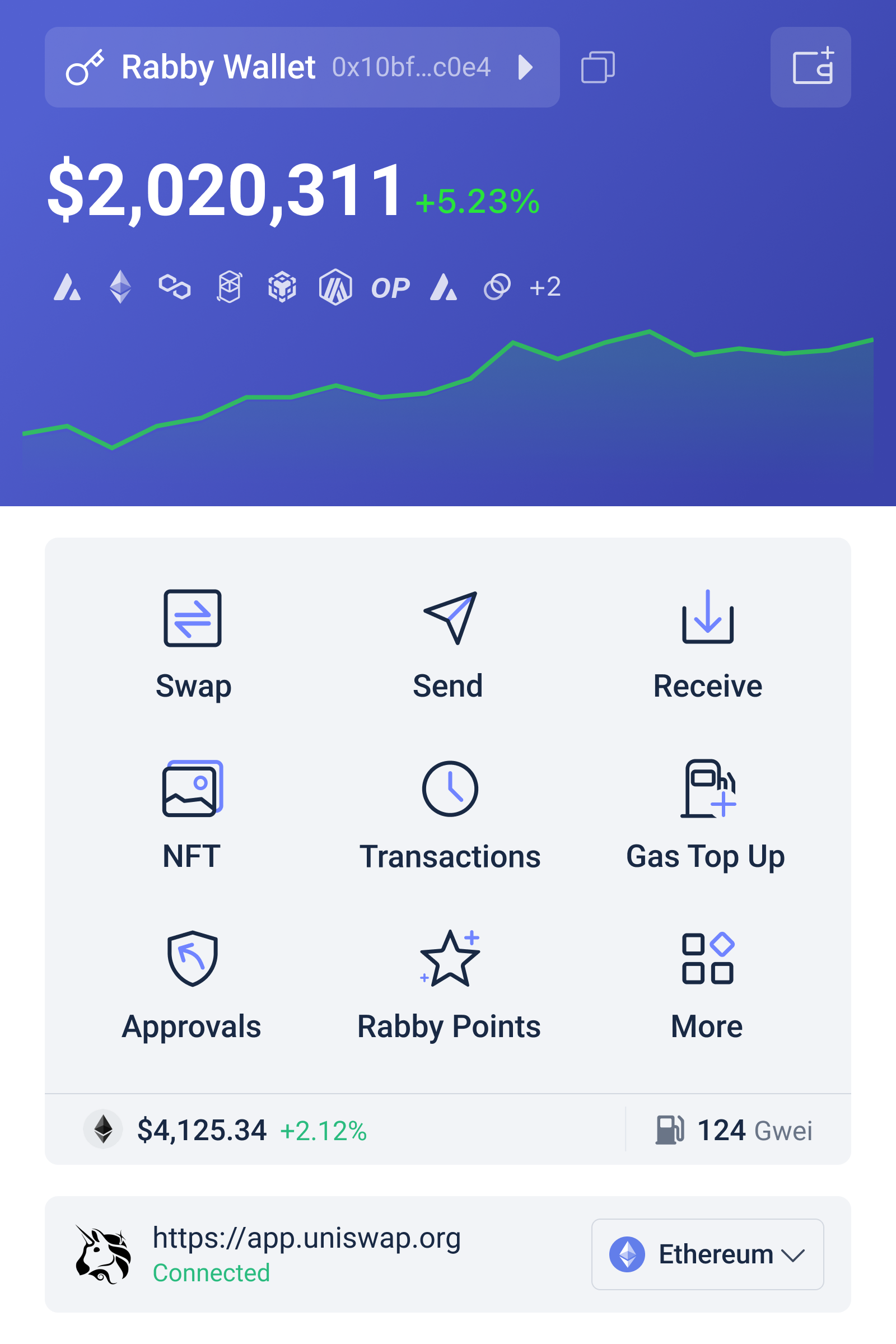
Uniswap’s Role in Stablecoin Wars: Why USDC, USDT, and DAI Competition Happens Across DEX Pools

A trader monitoring Uniswap’s USDC-USDT pool on Ethereum notices the pair trading at 1.0015 for several hours, a small but persistent premium favoring USDT. Minutes later, the same pair on Arbitrum shows 0.9998, a slight discount to parity. This spread is not random noise. It reflects real constraints: liquidity distribution, network costs, custody preferences, and regulatory expectations embedded in a decentralized exchange. The pool depth, slippage mechanics, and fee tier selection tell a story about which stablecoin the market trusts in different contexts and why those preferences shift when regulatory pressure intensifies or adoption expands.

Stablecoin competition on Uniswap differs fundamentally from traditional currency trading. There is no central bank defending a peg, no capital controls, and no reserve currency status. Instead, market participants express confidence through liquidity provision—the willingness to fund pools and absorb volatility. When the USDC-USDT spread widens beyond transaction costs, it signals asymmetric information or risk perception. When DAI volume spikes relative to USDC on certain networks, it often precedes a shift in regulatory stance or a change in institutional custody preferences. Understanding how Uniswap liquidity pools reflect stablecoin competition requires examining the mechanics of arbitrage, the geography of network adoption, and the hidden constraints that make certain pools predictive of broader market movements.

Uniswap liquidity pools showing USDC-USDT and DAI stablecoin pair trading dynamics across Ethereum and Layer 2 networks

How the constant product formula reveals stablecoin confidence

Uniswap’s core mechanism is the automated market maker (AMM) model, which uses the constant product formula x * y = k to determine prices. In a USDC-USDT pool, x represents USDC reserves, y represents USDT reserves, and k is their product. When a trader swaps 100,000 USDC for USDT, the formula ensures that the product remains constant, which means USDC reserves increase and USDT reserves decrease, raising the effective price of USDT. This mechanism is blind to whether tokens are truly identical; it only responds to supply and demand.

For two stablecoins that should theoretically trade at parity, the formula creates an incentive for arbitrage. If USDT commands a premium in the pool because traders are withdrawing it faster than depositing it, an arbitrageur can profit by buying USDT on the pool at a discount on another exchange, depositing it to Uniswap, and selling the accumulated USDT for a gain. This arbitrage is not instantaneous. Network congestion, gas costs, slippage on alternative exchanges, and the time required to move tokens across bridges all create friction. The spread that persists after accounting for these costs reflects genuine economic disagreement about whether the two coins are equivalent.

The depth of liquidity in a pool amplifies this effect. A deep pool with millions in reserves can absorb large trades with minimal slippage. A shallow pool, by contrast, moves prices sharply for the same volume. When USDC and USDT pools are equally deep, spreads tend to narrow because arbitrageurs have efficient routes to equalize pricing. When one stablecoin’s pool becomes noticeably shallower relative to alternatives, it signals that liquidity providers are withdrawing capital, usually because they perceive increasing risk or expect a competing stablecoin to gain market share.

The size and persistence of these spreads encode information about market expectations. A 50 basis point premium for USDT lasting hours or days—beyond what bridge costs and exchange fees can explain—suggests that traders believe USDT faces lower regulatory or operational risk in that network context. A widening spread in the opposite direction indicates growing confidence in an alternative. By monitoring which direction the premium moves first across different networks and how quickly liquidity adjusts, market participants can detect shifting sentiment before it appears in other metrics.

Network geography and the fragmentation of stablecoin liquidity

Uniswap operates across Ethereum, Arbitrum, Optimism, Base, Polygon, and other networks, but stablecoin liquidity is not distributed evenly. Ethereum maintains the deepest pools and the highest volume for USDC, USDT, and DAI, reflecting the network’s position as the settlement layer and primary custody location for institutional assets. Arbitrum has developed strong USDC and USDT pools driven by high-frequency trading and large position management, while Optimism sees concentrated activity during periods of elevated Layer 2 adoption. Base, Coinbase’s L2, has shown rapid growth in USDC pools because Coinbase is the issuer and primary custodian of USDC.

This fragmentation creates arbitrage opportunities and reveals adoption patterns. When Arbitrum’s USDC-USDT spread narrows while Ethereum’s widens, it suggests institutional traders are consolidating positions on Arbitrum, perhaps because gas costs or bridge latency have made the network more viable for large trades. When DAI activity spikes on Optimism following regulatory news affecting USDC or USDT, it indicates that some market participants are shifting to decentralized alternatives even at the cost of accepting lower liquidity and wider spreads.

Pool composition also reflects where different stablecoins serve different functions. USDT often dominates on networks with strong retail trading activity because many retail traders accumulated USDT during its earlier dominance, and they use it for leverage and speculation. USDC tends to be deeper on networks favored by institutions and protocols that value regulatory clarity. DAI remains concentrated on Ethereum and networks where DeFi participants make up a larger proportion of activity, because its decentralized issuance and governance appeal to those communities.

The emergence of new Layer 2 networks creates a natural experiment in stablecoin adoption. When Base launched, USDC received preferential liquidity provision from the start because Coinbase’s infrastructure supported it directly. USDT followed but required more explicit liquidity mining incentives to attract providers. DAI adoption was slowest despite its technical merits because most new users entering the ecosystem came through Coinbase or other USDC-first paths. These early adoption patterns persist for months because liquidity begets liquidity—traders prefer deeper pools, which encourages providers to fund pools with higher existing depth.

Regulatory events and their reflection in pool dynamics

Regulatory announcements create sudden shifts in Uniswap pool activity that often precede broader market repricing. In March 2023, when Silicon Valley Bank’s collapse raised questions about USDC’s reserves, the USDC-USDT spread on Ethereum widened to 200+ basis points within hours as traders hedged exposure to USDC. Liquidity providers, already alert to regulatory risk, began withdrawing from USDC pairs. The token swap volume in USDC pools remained high—traders needed to exit positions—but the provider side of the market dried up, creating the visible spread.

Similar patterns emerged following SEC regulatory pressure on stablecoin issuers and custody arrangements. When regulators began questioning whether USDT’s backing was fully reserve-backed, Uniswap pools showed increased USDT-USDC trading volume without corresponding increases in USDT liquidity provision. This is the signature of de-risking: many traders selling without proportional counterparties willing to buy, indicating asymmetric expectations about future value or regulatory treatment. The decentralized exchange becomes a visible pressure gauge before institutional exchanges publish formal notices.

DAI has shown the inverse dynamic. When regulatory scrutiny intensified on centralized stablecoin issuers, DAI volume increased on Uniswap, and liquidity providers began scaling DAI pools on Ethereum and emerging networks. This is not because DAI became cheaper to use—its 1% minting fee and collateral requirements make it less efficient for pure trading. Rather, it reflects a deliberate choice to accept operational friction in exchange for perceived regulatory defensibility. Decentralized issuance may be harder to monitor, but it is also harder to target in enforcement action, making it attractive during periods of regulatory uncertainty.

The most predictive pools appear to be those involving newer or smaller stablecoins with ambiguous regulatory status. A sudden collapse in liquidity for these pairs often precedes formal action, because sophisticated traders begin adjusting positions before regulators make announcements. Conversely, when a new stablecoin launches, the willingness of liquidity providers to fund Uniswap pools correlates with how the crypto community assesses its regulatory risk, making pool depth a leading indicator of trust before the wider market has fully priced in the implications.

Fee tier selection and the economics of stablecoin provision

Uniswap V3 introduced multiple fee tiers—0.01%, 0.05%, 0.30%, and 1.00%—allowing liquidity providers to choose their risk and reward level. For stablecoin pairs, this creates a fascinating economic signal. USDC-USDT pairs on Ethereum operate with significant depth at the 0.01% fee tier, reflecting the market’s expectation that these coins are nearly equivalent and arbitrage will be tight and continuous. Liquidity providers accepting a 0.01% fee are betting that volatility between USDC and USDT will remain minimal and that trading volume will be high enough to compensate.

The 0.05% tier for the same pair typically shows less depth but attracts providers who want slightly more insurance against flash movements or who expect periodic but not continuous arbitrage. The presence of capital at multiple tiers reveals how the market segments stablecoin risk: some providers think USDC and USDT are genuinely interchangeable, while others see material tail risk and demand higher fees to compensate. When a regulatory announcement causes providers to shift capital from the 0.01% tier to the 0.05% or 0.30% tier, it is a clear signal that confidence in equivalence has declined.

DAI-USDC pools show different patterns. DAI typically commands a 0.30% or higher fee tier because providers expect higher volatility from DAI, reflecting its collateral-dependent backing and governance risks. The concentration of DAI liquidity at higher fee tiers, rather than 0.01%, confirms that the market treats it as a different product despite its dollar peg. When DAI provision at lower fee tiers increases, it signals growing confidence in DAI’s stability and a belief that it should trade more like USDC.

Fee tier migration also reveals institutional behavior. Institutions doing large positions or high-frequency operations optimize for the lowest fees, while retail traders are less sensitive to tier selection. A sudden migration of capital to lower fee tiers after a quiet period suggests that professional traders have regained confidence in the pairing and are returning to it as a primary venue. The inverse—capital flowing to higher fee tiers—indicates caution and a shift toward more selective provision, concentrating risk for higher compensation.

Liquidity migration between stablecoin pairs as a leading indicator

The total liquidity funded across stablecoin pairs—not just USDC-USDT, but also USDC-DAI, USDT-DAI, and newer alternatives—reveals market structure shifts that precede major competitive changes. When USDC first scaled, USDT-USDC pairs became the primary trading venue, pulling liquidity from USDT-DAI pools. Later, as DAI adoption expanded through Maker’s governance and integration with institutional protocols, DAI pools began attracting more capital relative to USDT pairs. These shifts are not arbitrary; they reflect actual changes in user demand and provider expectations.

Liquidity migration speed matters as much as direction. A gradual shift over weeks suggests that market participants are slowly revising expectations and rebalancing positions. A rapid drain—liquidity disappearing from one pair in days—indicates panic or a major new information event. When SVB collapsed and USDC faced immediate questions, Uniswap’s USDC liquidity did not vanish instantly because some providers had long-term confidence and others had institutional reasons to maintain pools. But the rate of withdrawals in the immediate aftermath was notably faster than the rate of entry during normal times, confirming that new information changed the risk calculus for providers.

Cross-network migration adds another dimension. When Arbitrum experienced increased adoption during high Ethereum gas periods, liquidity providers began allocating more capital to Arbitrum’s stablecoin pools, particularly USDC and USDT. This was not random; it reflected a genuine decision to follow trading volume and earn fees where users were most active. By tracking which networks gain or lose stablecoin liquidity, market observers can infer where actual user activity is growing or declining, often before on-chain transaction data fully reflects the change.

The most significant indicator is the total quantity of liquidity leaving stablecoin pairs for other use cases. When providers withdraw USDC and USDT from Uniswap to fund DAI or other alternatives, or when they simply withdraw and hold cash positions, it signals that yield expectations for stablecoin trading have declined. This can precede broader bear markets or indicate that regulatory uncertainty has increased to the point where traditional stablecoin provision feels riskier than deploying capital elsewhere.

How arbitrage bots enforce and exploit pool prices

Uniswap pools do not exist in isolation. They are connected to centralized exchanges, other decentralized venues, and cross-chain bridges through arbitrage networks that operate with millisecond latency. When a USDC-USDT spread appears on Uniswap that exceeds the cost of executing the arbitrage on alternative platforms, bots immediately detect and exploit it. This means that meaningful spreads—those that represent real economic disagreement rather than momentary imbalance—are rare and short-lived.

Yet arbitrage bots themselves encode constraints. A bot will only execute an arbitrage if the spread exceeds gas costs, slippage on the alternative venue, and the opportunity cost of capital tied up in the transaction. During periods of high Ethereum gas prices, the minimum profitable spread widens significantly, allowing deviations from parity to persist longer. During low-gas periods, bots maintain tighter bands. This means that gas prices on the underlying blockchain become an invisible input into stablecoin pricing on Uniswap, creating opportunities for strategic timing.

Advanced arbitrage operations also exploit information asymmetries across networks. A bot might simultaneously monitor USDC-USDT spreads on Ethereum and Arbitrum, watching for moments when one network’s spread is temporarily wider than another. These cross-network arbitrage opportunities are rare because latency and bridge costs are predictable, but they become more common during volatile periods when traders prioritize speed over cost optimization and create temporary imbalances.

The behavior of arbitrage bots also limits how much regulatory events can move stablecoin prices on Uniswap. Even if sentiment shifts dramatically, bots will quickly equalize spreads across venues, preventing any single exchange from sustaining a severe deviation. This does not mean pools are immune to regulatory shocks—it means that shocks manifest as volume spikes and liquidity provision changes rather than as sustained price movements. The pools remain mechanistically tethered to market-wide pricing because of these automated connections.

Predicting stablecoin adoption shifts through pool composition analysis

A sophisticated market analyst monitoring Uniswap can construct a framework for predicting which stablecoin will gain dominance in specific contexts by observing six key metrics: pool depth relative to trading volume, fee tier distribution, network-by-network concentration, liquidity provider turnover, arbitrage bot activity, and spread persistence. When depth relative to volume decreases, it signals that providers are not keeping pace with demand, suggesting either reduced confidence or a shift toward alternative stablecoins. When providers begin moving toward higher fee tiers, it indicates they expect increased volatility or decreased market efficiency.

Network concentration reveals where institutional adoption is strongest. High USDC depth on Base reflects Coinbase’s ecosystem influence. High USDT concentration on trading-focused L2s reflects retail momentum and legacy preference. Rapid growth in DAI provisions on emerging networks often precedes broader DeFi adoption in those regions because early DeFi participants value decentralization.

Provider turnover is harder to observe directly but can be inferred from pool composition changes. When new liquidity consistently enters a pool for weeks, it suggests providers view it as increasingly attractive. When outflows begin to outpace inflows, it signals deteriorating expectations. Arbitrage bot activity provides real-time feedback on whether pools remain economically viable venues or whether bots are increasingly ignoring them in favor of alternatives.

Spread persistence, when properly contextualized against gas costs and bridge delays, reveals whether market participants fundamentally agree on stablecoin equivalence. A 10 basis point USDC-USDT spread that persists despite low gas costs suggests asymmetric expectations about regulatory treatment or operational risk. Researchers have observed that such persistent spreads often precede regulatory actions by weeks or months, suggesting that sophisticated traders incorporate non-public risk signals into their trading behavior before public information emerges.

Why concentrated liquidity has reshaped stablecoin competition

Uniswap V3’s concentrated liquidity feature allows providers to specify the price range where their capital operates, making it possible to achieve higher capital efficiency in narrow ranges. For stablecoin pairs, this has been transformative. A provider can concentrate liquidity in a tight band around 1.00 for USDC-USDT, earning fees from volume in that range while avoiding exposure to larger moves. This is efficient for the provider and improves execution quality for traders.

Concentrated liquidity has also intensified competition between stablecoins. Before V3, a liquidity provider committed capital to the entire possible price range, accepting exposure across a wide band. This created a penalty for stablecoins perceived as riskier, because maintaining that liquidity was expensive. With V3, providers can concentrate risk-sensitive capital in very tight ranges around parity, while accepting wider ranges only for stablecoins they view as more robust. This has made it easier to compete as a stablecoin because the cost of liquidity provision has declined.

The flipside is that concentrated liquidity becomes fragmented and more vulnerable to depeg shocks. If USDC suddenly depeg to 0.95, liquidity providers whose positions are concentrated around 1.00 will be out-of-the-money and unable to provide price support. This is why stablecoin pools on V3 sometimes show lower real depth than pools on V2 or other venues, despite appearing to have equivalent capital on paper. The theoretical depth in a concentrated range may not materialize during large moves.

This dynamic has affected stablecoin competition by rewarding issuers who maintain tight pegs and punishing those with volatile behavior. USDC, because it has remained remarkably stable, has attracted concentrated liquidity more easily than USDT, which has experienced occasional de-pegs. DAI, with its overcollateralization and governance backing, has paradoxically attracted less concentrated liquidity because providers expect occasional volatility and demand wider ranges. The result is that capital-efficient competition increasingly favors the most stable issuers, creating a feedback loop where stability attracts liquidity and liquidity reinforces stability.

Reading the unmined signals: what pools tell about future regulatory action

Regulators do not typically announce their intentions before acting, but market participants constantly attempt to infer regulatory trajectories from observable behavior. Uniswap pools provide a unique vantage point because they reflect the actions of thousands of independent traders and liquidity providers, each making decisions based on their own assessment of risk. When these independent decisions align and shift direction simultaneously, it often signals that new information about regulatory probability has entered the market.

The most actionable signal is a simultaneous decline in liquidity provision across multiple stablecoin pairs combined with a shift in trading volume toward decentralized alternatives like DAI. This pattern emerged before the heightened scrutiny of USDT and USDC in 2022-2023, as institutional traders began rotating toward alternatives perceived as less vulnerable to enforcement action. The rotation did not happen because any regulator announced their intention; it happened because market participants internalized increasing probability of regulatory pressure and acted accordingly.

Another predictive indicator is the emergence of new stablecoin pools and the speed with which they gain liquidity. When Arbitrum Governance introduced new incentives for alternative stablecoins, the speed at which liquidity materialized reflected actual market demand versus speculative positioning. Pools that grew rapidly attracted genuine users; pools that stalled despite incentives revealed that the market did not view the alternative as viable. Regulators have subsequently targeted areas where market participants showed least enthusiasm, suggesting that Uniswap pools revealed genuine competitive position before formal action.

The interaction between pool depth and regulatory headlines also matters. When a news story breaks about stablecoin regulation, Uniswap volume usually increases immediately—traders hedging exposure—but provider behavior is slower. If providers begin withdrawing hours or days after a headline, it suggests they view the news as significant and actionable. If they hold or add liquidity, it indicates they assess the regulatory risk as manageable or already priced in. By observing this differential response timing, market observers can infer how seriously sophisticated participants view emerging regulatory threats.

Frequently asked questions

Why do USDC and USDT trade at different prices on Uniswap despite both being stablecoins?

The constant product formula in Uniswap’s automated market maker model determines prices based on the ratio of reserves in the liquidity pool. When traders withdraw one stablecoin faster than the other, the price of the scarcer coin rises relative to the more abundant one. Spreads persist when arbitrage costs—gas fees, bridge delays, exchange slippage—exceed the price differential, allowing temporary deviations from theoretical parity to remain.

What do changes in liquidity provision tell us about stablecoin competition?

When liquidity providers withdraw capital from a particular stablecoin pair, it signals declining confidence in that pairing’s long-term viability or changing expectations about relative risk. A migration of liquidity from USDC to DAI pools, for example, often precedes regulatory pressure on centralized stablecoins, as providers anticipate market participants will shift toward decentralized alternatives. Liquidity depth relative to trading volume is a leading indicator of competitive position.

Why does the fee tier selection matter for understanding stablecoin markets?

Fee tiers in Uniswap V3 reflect provider beliefs about risk and volatility. USDC-USDT pairs concentrated at 0.01% fee tiers signal that providers view the coins as nearly equivalent with tight arbitrage. Higher fee tier concentration for the same pair suggests providers expect larger deviations from parity. Shifts between fee tiers reveal changing confidence without requiring formal announcements, making them predictive of competitive changes before they become visible elsewhere.
